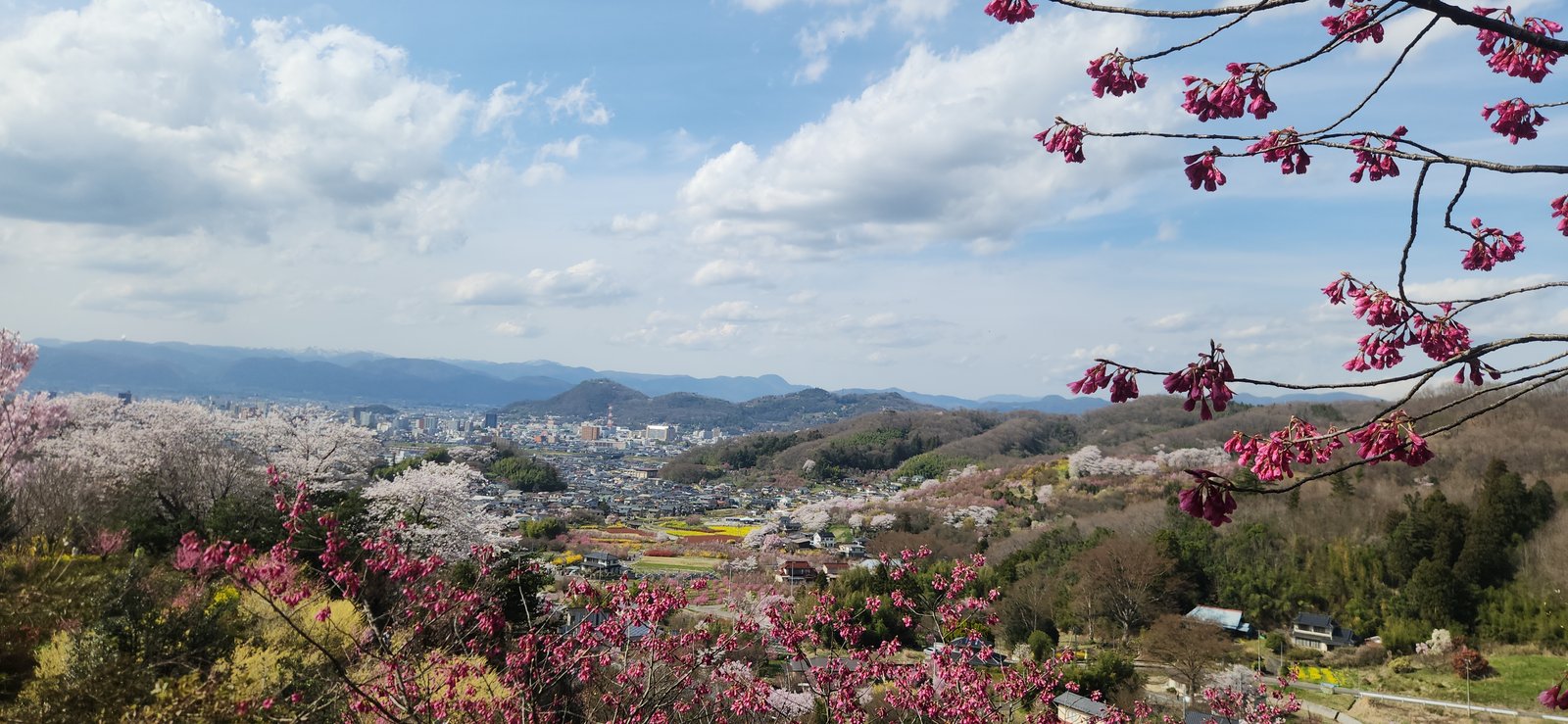
Hi, we’re Jacob and Olivia, two Japan-loving travellers from Vancouver, Canada.
We started Off Track Guide for travellers who want to experience Japan beyond the usual first-time route. We love the famous places too, but our favourite Japan memories usually come from quieter moments: forest walks, scenic drives, small local restaurants, onsen stays, ryokan dinners, sakura roads, mountain viewpoints, and small towns that aren’t always easy to research in English.
We also write beginner-friendly articles about Japan basics: food, etiquette, transport, and the small cultural details that make a trip easier. Some readers may not know what gyutan is, how a ryokan dinner works, what counts as a busy travel period, or why there are so few public garbage bins on the street. Those guides are just as important to us. Useful travel advice isn’t only about where we went. It’s also about helping readers feel more prepared before they go.
Off Track Guide is for both first-time and repeat Japan visitors. First-timers who want practical explanations they can actually follow. Repeat visitors who want quieter regional routes, local food, onsen stays, scenic drives, and honest advice about whether a place is worth the effort.
How We Travel
Our trips usually start with a season, a region, or a feeling.
In spring, we look for cherry blossoms. In autumn, fall colours. In winter, we tend to head toward the warmer parts of Japan. We haven’t done much summer travel here yet, partly because Vancouver summers are hard to leave behind.
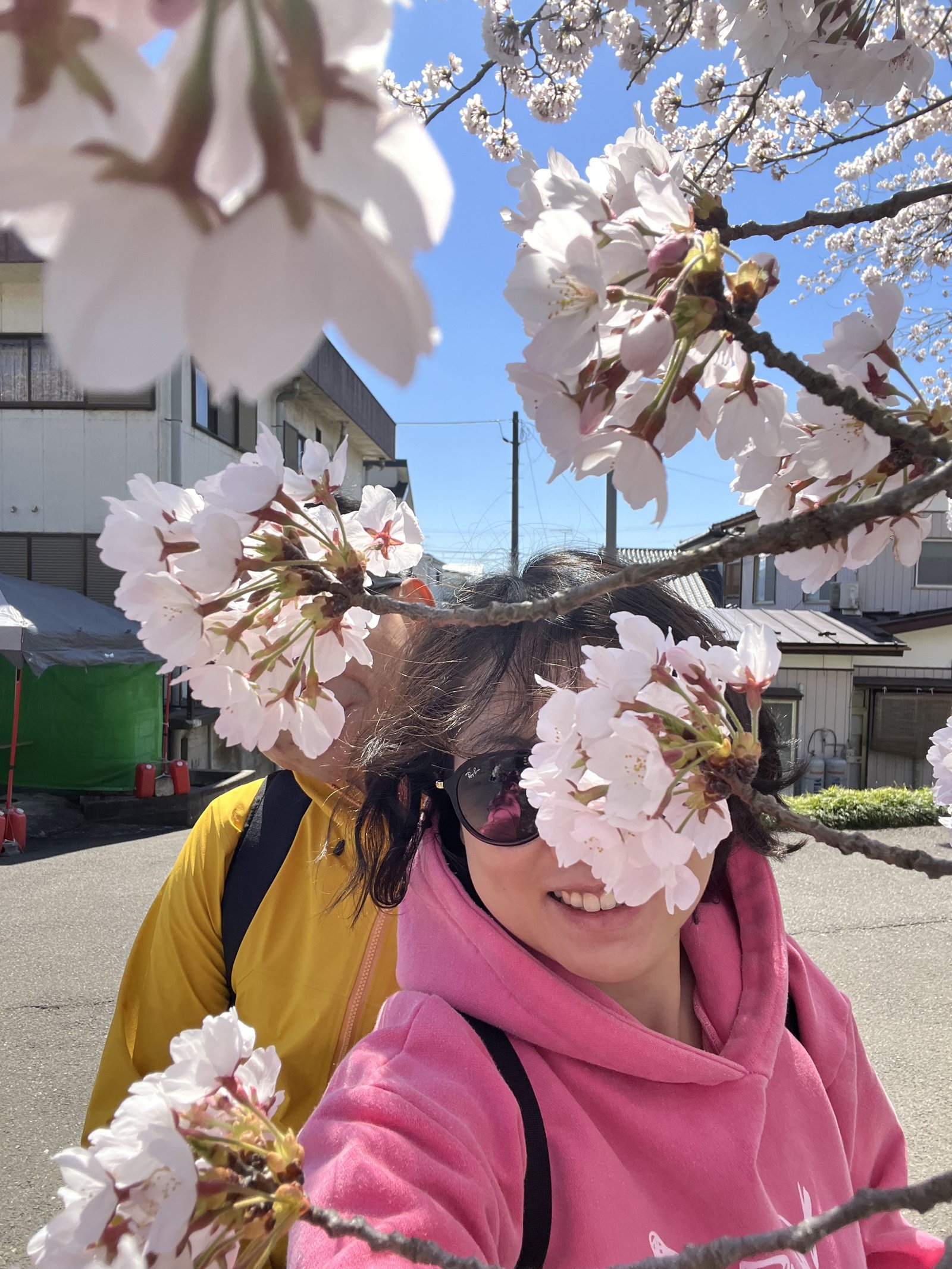
A few things show up on most of our trips no matter the season: nature, local food, onsen, ryokan stays, scenic routes, quiet temples, and places where we can slow down rather than rush from one famous stop to another.
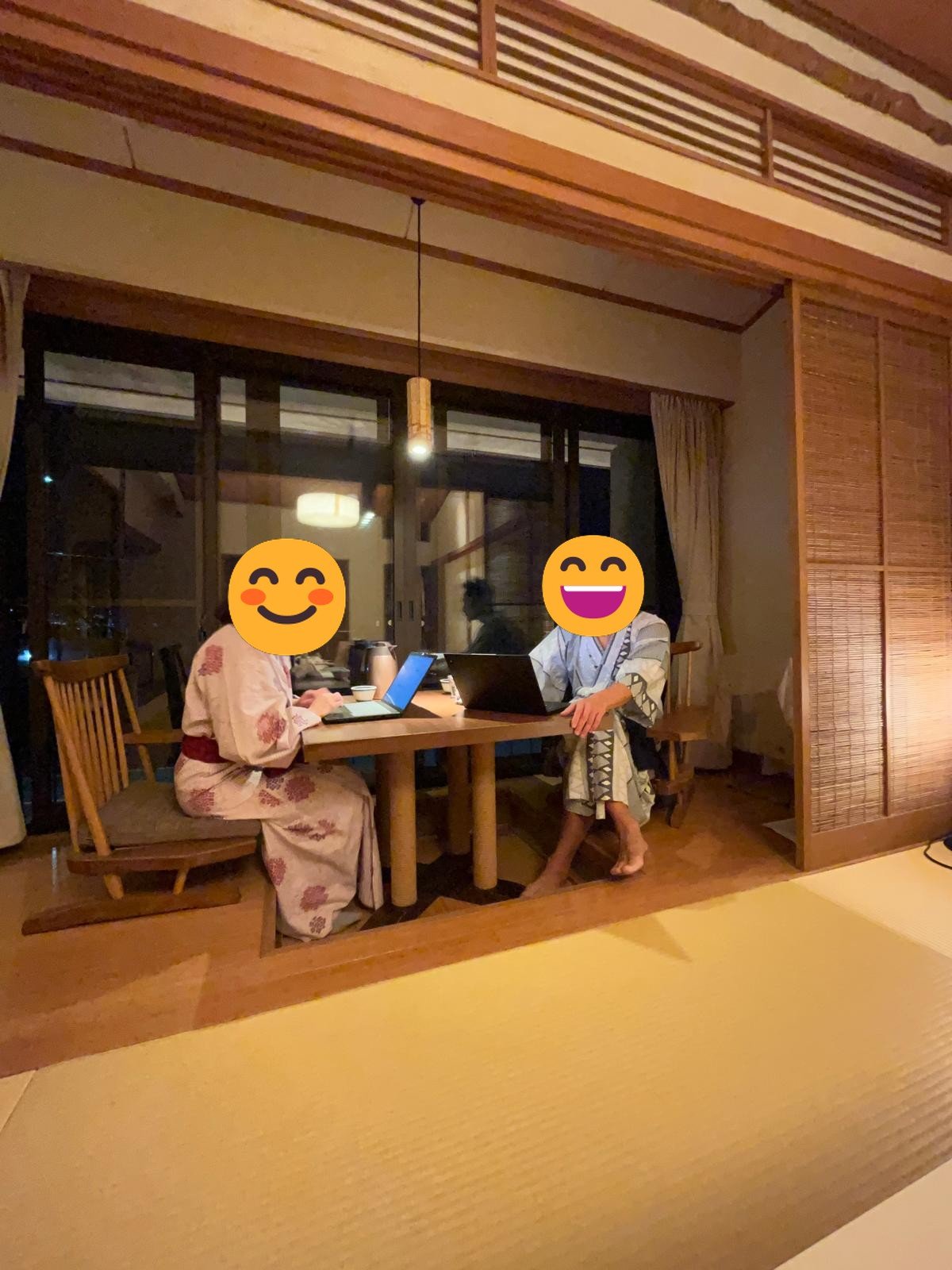
Because we both work remotely, our trips are often two weeks or longer. We usually work part of the day and explore around that. This changes how we travel. We pay attention to what looks beautiful, but also to whether a place actually works for a longer stay: room comfort, desk space, laundry, where to find meals, parking, driving routes, and how easy it is to balance work with sightseeing.
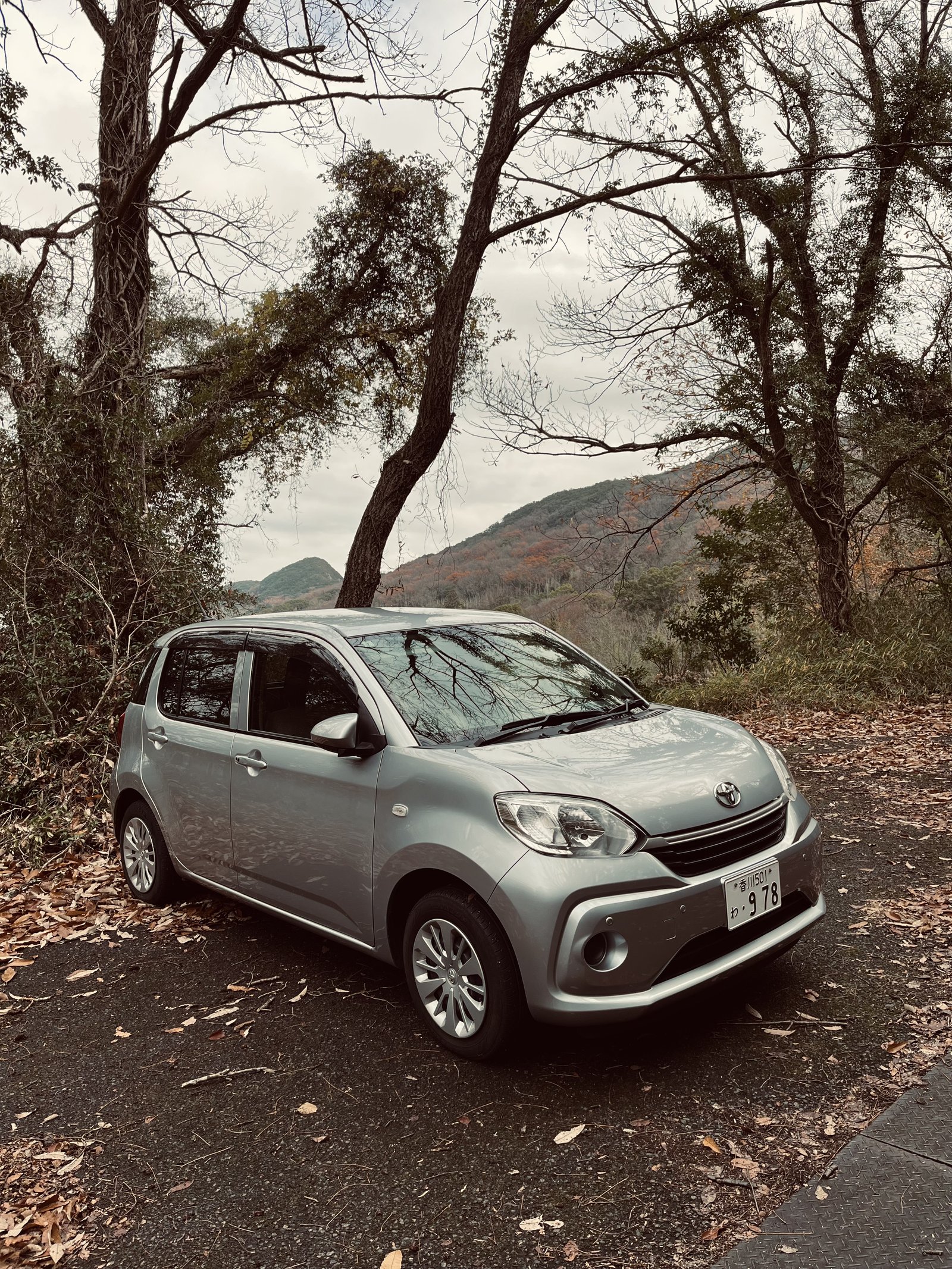
We usually take trains or buses to reach a region, then rent a car when it makes sense. Some of our favourite places in Japan are much easier with a car: rural onsen, small restaurants, quiet viewpoints, sakura roads, and scenic areas that don’t fit neatly into a public transport itinerary.
Jacob’s Japan Story
Jacob’s interest in Japan started about 10 years ago, first through anime and later through Aikido.
He is an Aikido black belt and instructor, and his first trip to Japan was with an Aikido group for training. After training, he stayed another week to explore on his own. Since then, Japan has become a regular part of his life, and he still goes back for Aikido training.
Jacob has been to Japan close to 20 times. He has travelled across most major regions, including Hokkaido, Okinawa, Kyushu, Shikoku, Tohoku, Chubu, Hokuriku, Kanto, Kansai, and Chugoku.
Not every past trip was documented with the level of photos, route notes, and practical details we now use for Off Track Guide. Some of those trips happened long before the site existed. But those experiences still shape how we compare places, plan routes, understand regional differences, and decide what is worth writing about.
Jacob has also self-studied Japanese. He can read some basic words, understand simple sentences when they’re spoken slowly, and handle ordering food or asking small questions. He is not fluent, and we don’t want readers to think they need to know Japanese to travel the way we do.
We still use Google Translate all the time.
Jacob’s Japanese helps with menus, signs, and researching local places, but our guides are written for travellers who don’t speak any Japanese.
Olivia’s Japan Story
Olivia has always loved Japanese food, especially sushi, sashimi, and izakaya-style meals. Before travelling with Jacob, she had visited places like Osaka and Kyoto and enjoyed the food, shopping, and city energy.
But at that stage, Japan felt more like another exciting city destination.
She hadn’t yet seen the quieter side: the local culture, the attention to detail, the peaceful scenery, the artistic small towns, the forest walks, the ryokan stays, and the calmness outside the busiest tourist areas.
That changed after she started travelling with Jacob.
The first quieter place that really stood out to her was Izu. It felt peaceful, artistic, and completely different from the busy city image of Japan she had before. That trip helped her see another side of the country. One that felt slower, deeper, and more personal.
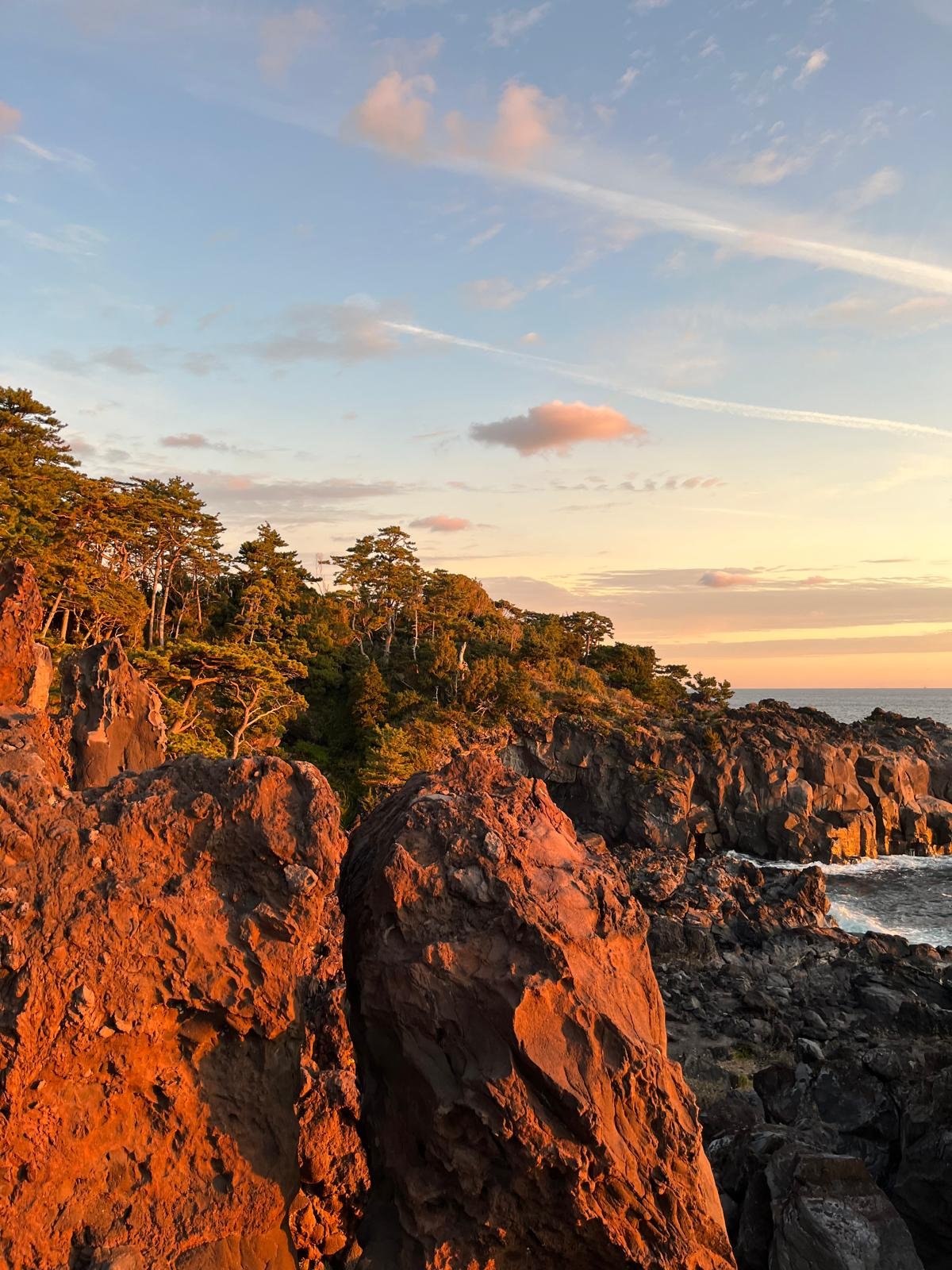
Since then, she has been hooked on this style of Japan travel.
Olivia has now been to Japan around 8 times.
What We Love About Japan
We love Japanese food, but not only the expensive or famous restaurants.
In the places we travel, there may not be many Michelin-starred restaurants, and that’s fine with us. We enjoy local restaurants, regional specialties, supermarket sashimi, convenience store finds, simple meals, and the everyday quality of food in Japan.
Food is a big part of our trips because it helps us understand a place.
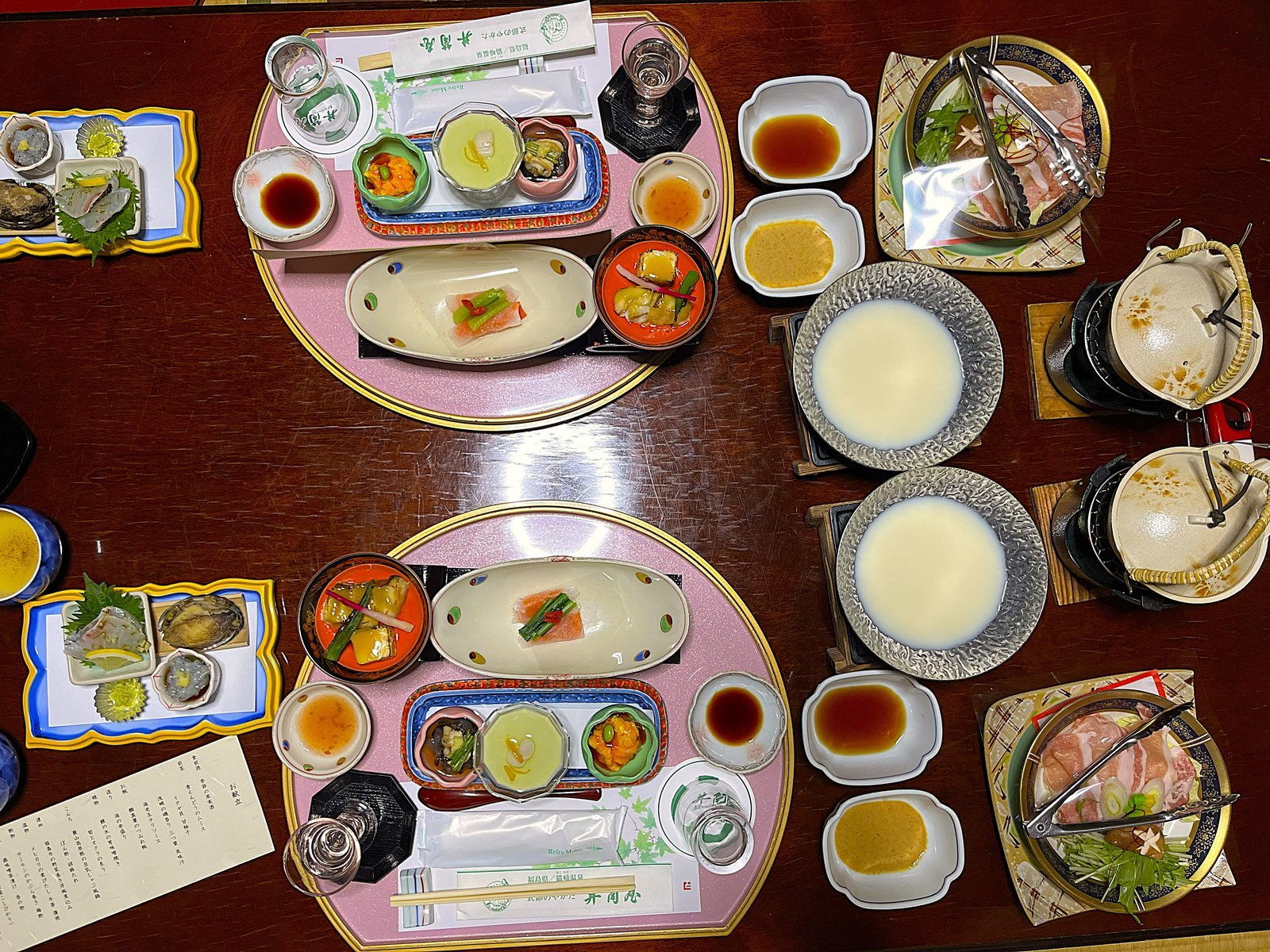
We also love onsen and ryokan stays. For us, they are part of the rhythm of travelling in Japan. A good ryokan stay, a quiet bath, a carefully prepared dinner, and a slow morning can be just as memorable as a famous landmark.
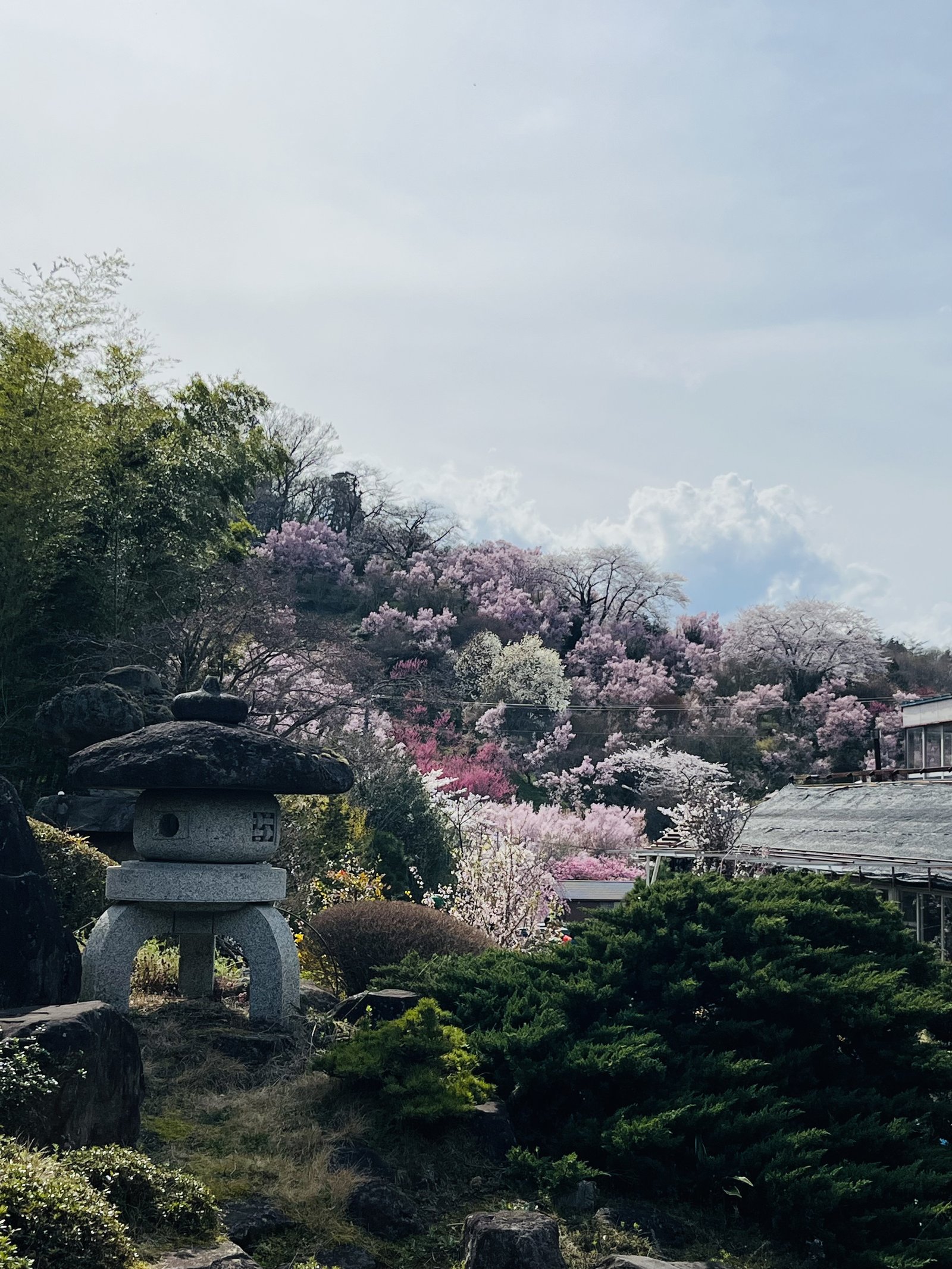
Nature is just as important. We both enjoy hiking, walking, forest bathing, and quiet scenic places. When we find a peaceful viewpoint, a forest path, or a calm temple, we tend to slow down, breathe, and take time to be present.
One moment that stayed with both of us was at Ise Jingu, standing beside the tall ancient trees and placing our hands on the bark. We aren’t sure how else to describe it, but the place felt deeply calm and sacred. It was one of those travel moments that reminded us why we are drawn to quieter places in Japan. Not only because they are beautiful, but because they make you slow down and feel present.
The tall cedars at Ise Jingu. Trees like these are usually described as several hundred years old, and the largest ones along the shrine paths are often said to be more than a thousand.
At home, we even have simple posters inspired by ideas like wabi-sabi and ichigo ichie. We aren’t experts in Japanese philosophy, but these ideas remind us how we like to travel: noticing small details, accepting imperfection, appreciating seasonal beauty, and treating each trip as something that can’t be repeated in exactly the same way.
How We Write Our Guides
Off Track Guide is based on real trips.
We use our own travel notes, photos, routes, hotel stays, meal experiences, and practical observations. We also research official sources, Japanese sources where useful, Google Maps, local recommendations, and information from friends who know Japan well.
Our goal isn’t to make every place sound amazing.
We want to be honest about what we liked, what disappointed us, what felt worth the effort, what felt inconvenient, and who should skip a place. If something was crowded, confusing, hard to reach, overpriced, or just not our style, we’ll say so.
We also write factual and beginner-friendly guides because practical travel help matters. An experience article might tell you why we loved a gyutan restaurant, a ryokan, or a quiet sakura spot. A factual article can explain what gyutan actually is, how ryokan meal plans work, how to behave on trains and buses, or how to plan around busy travel periods in Japan.
Both types of articles belong on Off Track Guide. The experience guides show what we actually did. The factual guides help readers understand Japan better before they go.
Our Promise
We want Off Track Guide to feel genuine.
If we include an affiliate link, it should be because we think it genuinely helps the reader. We would rather build a site people trust than one that simply pushes booking links.
Our promise is to stay independent, honest, and practical.
We hope our guides help you discover a quieter, more personal side of Japan. The kind of places that may not always appear first in search results, but stay with you long after the trip is over.