Many travellers visit Matsushima as a day trip from Sendai. That can work very well. (For a quick overview of the bay itself, see Japan’s official tourism site.)
But after staying in Matsushima for four nights, I do not think of it only as a quick side trip anymore. If you enjoy scenery, quiet mornings, viewpoints, and slower travel, Matsushima can easily be worth more time.
The right number of days depends on what kind of trip you want.
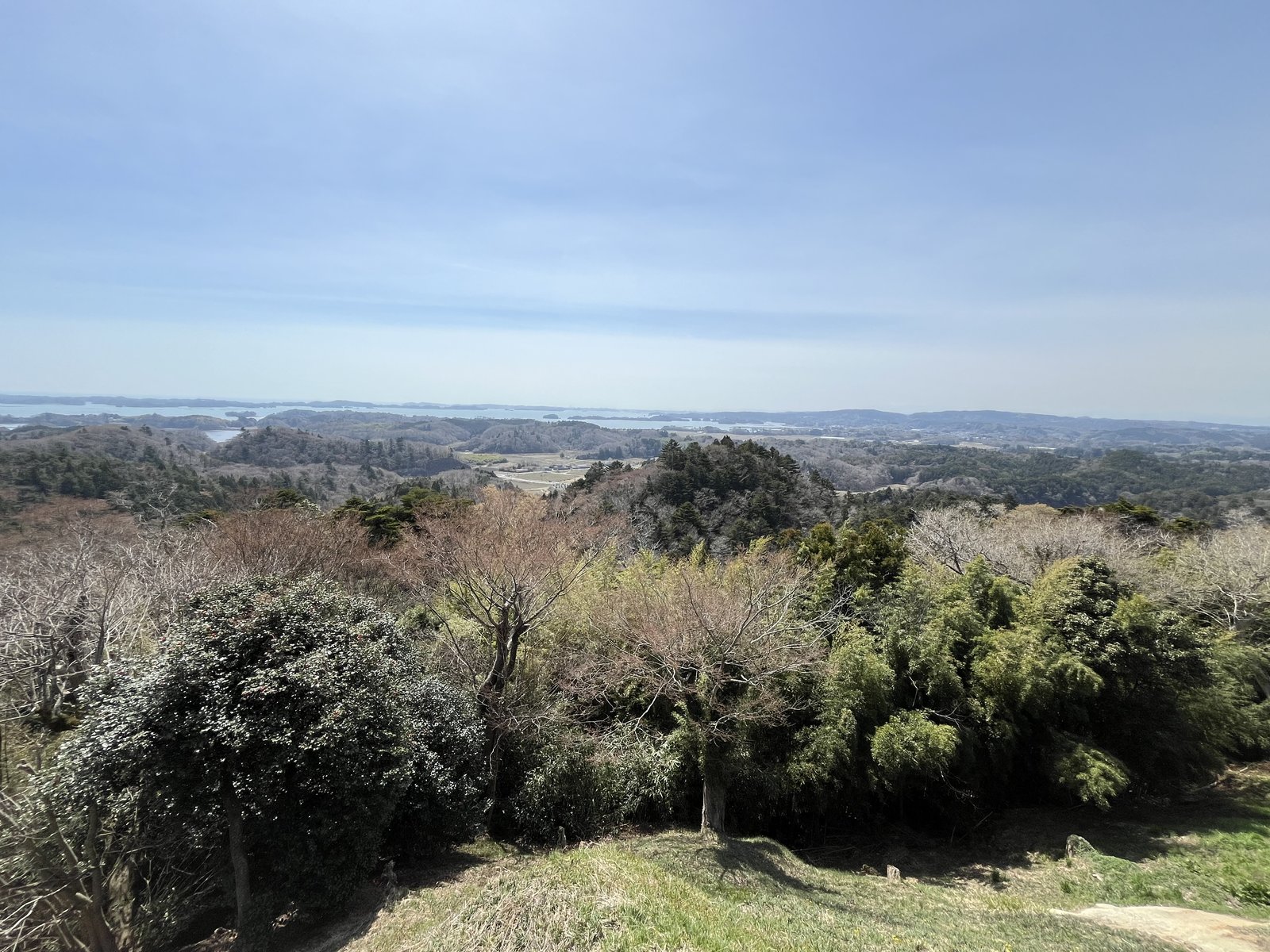
Quick answer
For most first-time visitors, one day is enough to see central Matsushima.
For a better experience, I would stay one night.
For travellers with a car who want to visit Tomiyama, Daigyoji, Oku-Matsushima, Otakamori, and the Jomon Village History Museum, two nights is a stronger choice.
I stayed four nights in early April and it felt about right for my travel style. I could even have used one more night. But that does not mean every traveller needs that long.
Half day in Matsushima
A half day is enough for a quick introduction, but it will feel limited.
With a half day, focus on central Matsushima only:
- Waterfront area
- Godaido
- Fukuurajima if time allows
- Shops or a short shoreline walk
- Possibly a bay cruise if the timing works
This is best if Matsushima is only one stop in a busier Sendai or Tohoku itinerary.
I would not try to include Oku-Matsushima, Tomiyama, or Otakamori with only a half day.
One day in Matsushima
One full day is the most common and practical option.
If you are coming from Sendai by train, one day gives you time for the central sights without feeling too rushed. You can visit the pier area, Godaido, Fukuurajima, shops, shoreline walks, and perhaps Zuiganji, Entsuin, or a bay cruise. See my comparison of the bay cruise vs viewpoints if you are deciding between them.
For many travellers, this is enough.
The key is not to overcomplicate the day. Matsushima is scenic, and part of the appeal is walking slowly and enjoying the views. If you turn it into a checklist, you may miss the atmosphere.
One night in Matsushima
One night is where Matsushima starts to feel different.
The main benefit is not that you suddenly unlock dozens of attractions. The benefit is timing.
You can see Matsushima in the evening and early morning, when the area is quieter. If your hotel has a bay view, the overnight stay also becomes part of the experience.
I stayed at Hotel Matsushima Taikanso, which I cover in more detail in my main Matsushima trip guide. The short version: a bay-view room and the in-house seafood buffet were the two things that made staying in Matsushima rather than Sendai worth it for me, especially given that Matsushima has fewer evening dinner options.
If you have one night without a car, I would focus on central Matsushima plus one nearby elevated view, such as Saigyo Modoshi no Matsu Park or Tomiyama / Daigyoji if you are comfortable with the train and uphill walk.
Two nights in Matsushima
Two nights is probably the best balance for many independent travellers.
With two nights, you can use one day for central Matsushima and one day for the wider area.
A good two-night structure could be:
Day 1
- Arrive in Matsushima
- Shoreline walk
- Godaido
- Fukuurajima
- Shops or temple visit
- Sunset or evening view if possible
Day 2
- Tomiyama / Daigyoji
- Otakamori
- Jomon Village History Museum
- Enmantei seafood ramen
- Optional Saigyo Modoshi no Matsu Park or Cafe le Roman area
Day 3
- Slow morning
- Breakfast
- Final bay view
- Continue to Sendai or the next destination
This gives you both versions of Matsushima: the classic central area and the quieter wider area. A car makes Day 2 much easier. See Car vs Train in Matsushima if you are still deciding.
Three or four nights in Matsushima
Three or four nights is not necessary for everyone, but it can make sense if Matsushima is your base for a slower Tohoku trip.
I stayed four nights in early April, using Matsushima as a base with a car. That worked well because I wanted a bigger hotel room, a nice view, and access to nearby places without staying in central Sendai.
Four nights felt about right, and I could have used one more night. But this only makes sense if you enjoy slower travel or have other nearby plans.
If your goal is simply to “see Matsushima,” four nights is probably more than you need.
Does the season change how many days you need?
Yes, more than people expect.
In cherry blossom season (early to mid April in Matsushima), staying overnight is more rewarding because the bay area and Saigyo Modoshi no Matsu Park have blossoms, and quiet morning light is better for both walking and photos. A day trip can still work, but you will share the central area with more people.
In autumn leaves (typically mid to late November in this part of Tohoku), the temple grounds at Zuiganji and Entsuin become a separate reason to be there, which can justify an extra half day.
In winter and quieter months, the central area is less crowded, so a day trip is easier and more enjoyable on its own.
I visited in early April and it shaped how much I valued staying overnight. The early-morning bay views were one of the better parts of the trip.
Should you stay in Matsushima or Sendai?
Stay in Sendai if you want:
- More restaurants
- Better nightlife
- Easier train connections
- More city convenience
- A simple day trip to Matsushima
Stay in Matsushima if you want:
- Quiet mornings
- Bay views from your hotel
- A slower scenic stay
- Easier access to viewpoints by car
- A more relaxed experience
The main downside of staying in Matsushima is fewer dinner choices. If your hotel includes dinner or has a strong buffet, that can make the decision easier. Some Matsushima hotels, especially bay-view hotels and ryokan-style stays with dinner included, can cost more than a simple Sendai hotel. But that extra cost may replace dinner planning and give you easier access to sunrise, public baths, and quieter evening views.
How many days in Matsushima without a car?
Without a car, one day or one night is usually enough for most travellers.
You can do the central waterfront, Godaido, Fukuurajima, shops, temples, and a cruise by train from Sendai. Staying one night adds quiet morning and evening atmosphere.
Without a car, I would be more selective about trying to reach the wider viewpoints. For more on this, see Car vs Train in Matsushima.
How many days in Matsushima with a car?
With a car, Matsushima becomes more interesting.
A car makes it much easier to include Tomiyama / Daigyoji, Otakamori, Oku-Matsushima, and Jomon Village History Museum. These are the places that made Matsushima feel more personal and less like a standard day trip for me.
If you have a car, I would consider at least one night, and ideally two nights.
My recommendation
For most readers:
- Half day: only if you are short on time
- One day: good for classic Matsushima
- One night: better for atmosphere and quiet views
- Two nights: best balance if you have a car
- Three or four nights: good only for slow travellers or a wider Tohoku base
Matsushima works as a day trip. But if scenery is the main reason you travel, staying longer gives you a much better chance to enjoy the bay from different angles. My fuller take on why staying longer mattered for me is in Matsushima Beyond the Bay.