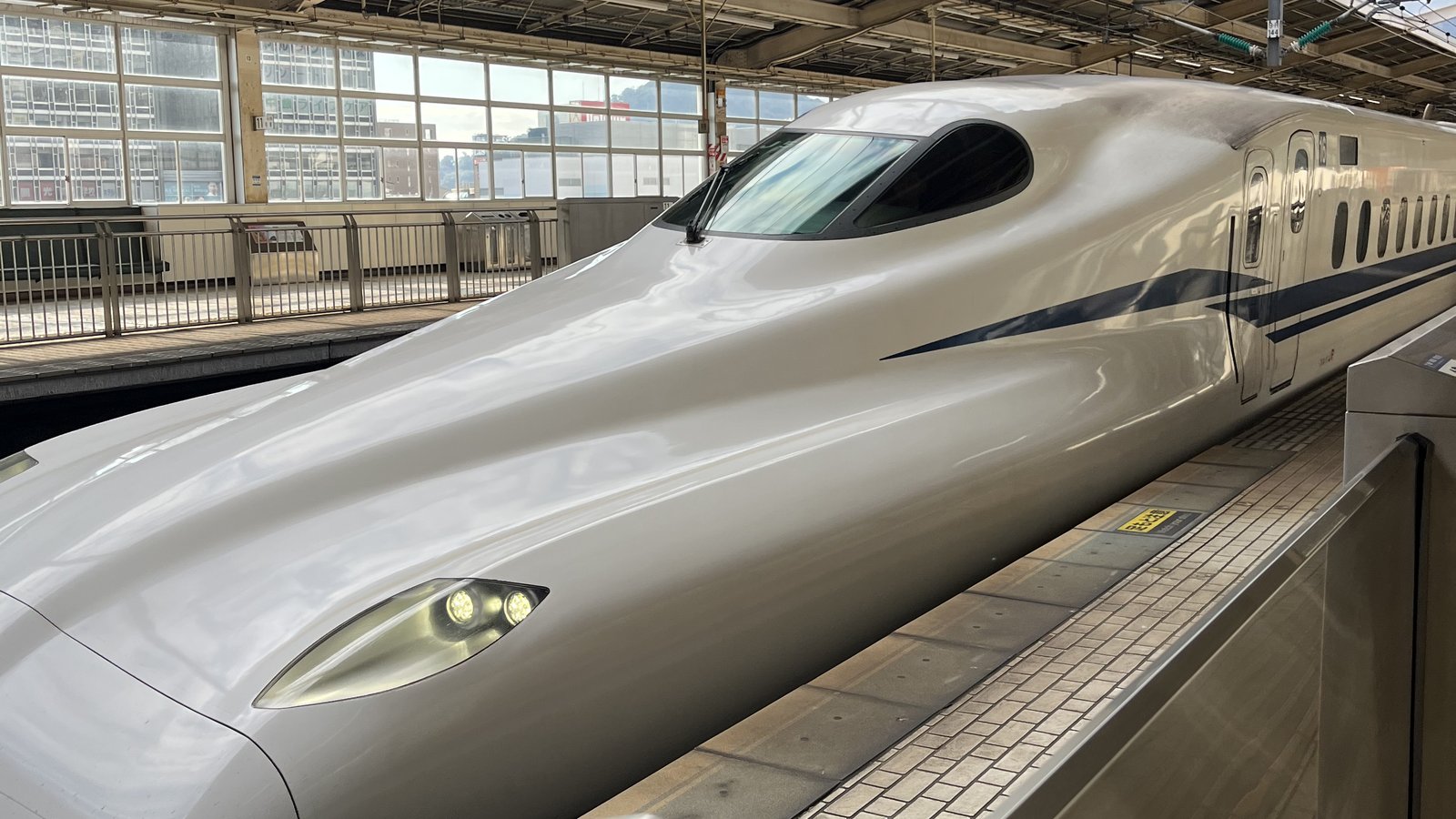
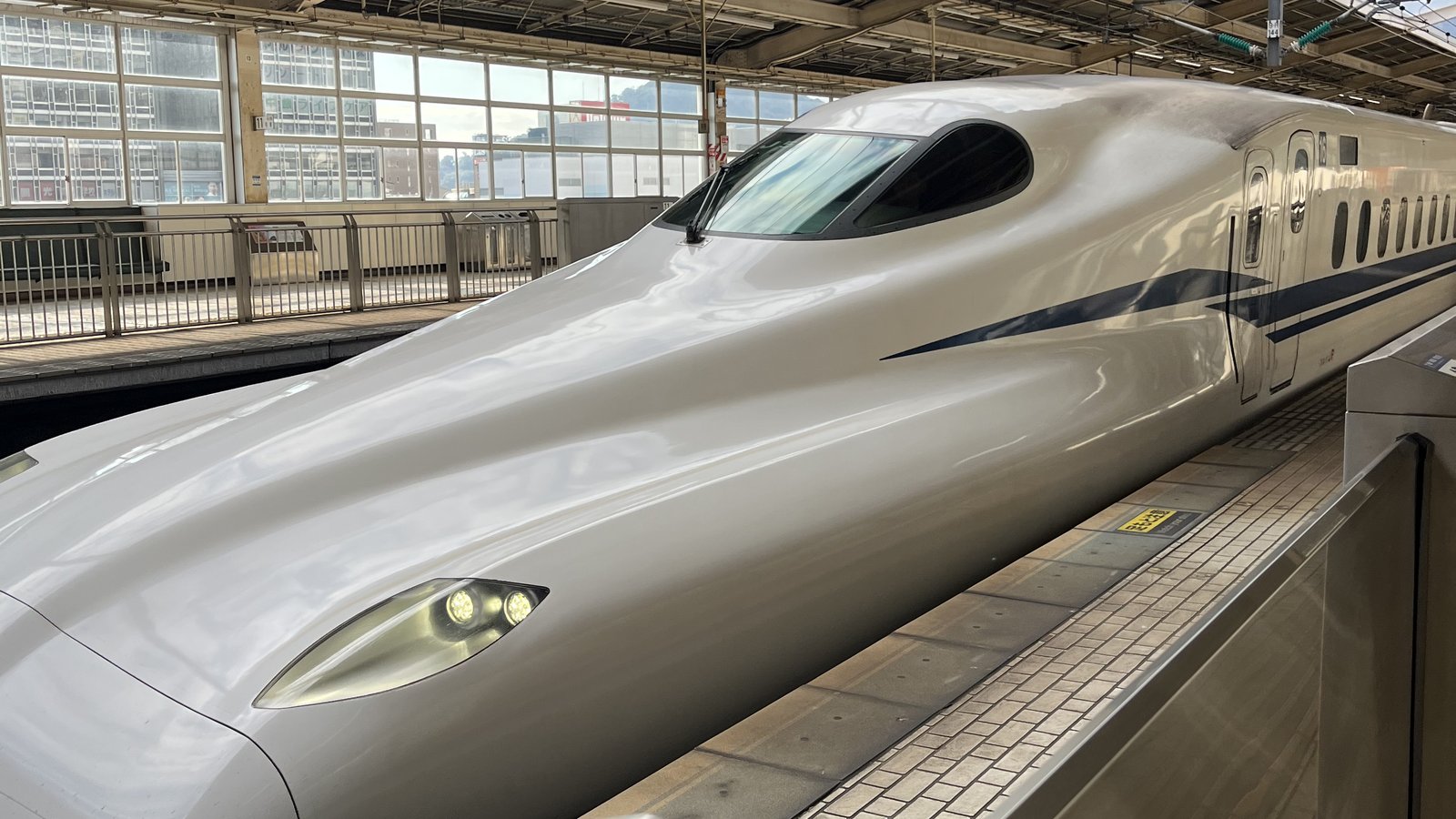
Japan train and bus etiquette can feel like a hidden rulebook for first-time visitors. The good news is that most of it becomes much simpler once you understand the main idea: do not disturb the people around you.
I wanted to write this because I have had those small, awkward travel moments myself, and I have also had the less fun experience of sitting near another foreign visitor who clearly did not realize that playing music or videos out loud on a bus would bother everyone around them. Whether it is a train, subway, airport train, or bus, the basic idea in Japan is very similar: keep things quiet, tidy, and considerate.
That sounds simple, but it helps to know what that looks like in practice.
The big rule behind Japan train and bus etiquette
A lot of Japan’s public transport etiquette makes more sense once you stop thinking in terms of “strict rules” and start thinking in terms of not creating trouble or discomfort for the people around you.
That is why the quiet matters. It is why phone calls feel out of place. It is why strong smells, speaker audio, and big bags in other people’s way all stand out more than they might in some other countries.
1. Use headphones on trains and buses
If you are listening to music, watching YouTube, scrolling Instagram Reels, or playing a game on your phone, use headphones.
This applies on trains, subways, buses, and airport transport too. Public transport in Japan is generally treated as a shared quiet space, not a place where other people should hear your phone.
If you forget your headphones, just watch without sound.
2. Keep your phone on silent and avoid phone calls
One of the most consistent etiquette points in Japan is this: do not talk on the phone while riding.
If you need to answer something urgent, keep it very short and very quiet, or wait until you get off. On local trains and buses, avoid phone calls. On the shinkansen and some other long-distance trains, if you really need to take a call, move to the space between cars and keep it brief and quiet. On trains, many people switch their phones to silent mode automatically before boarding. That is a good habit to copy.
3. Talk quietly with the people you are with
Talking with your partner, family, or friends is absolutely fine. You do not need to sit in total silence.
The key is volume. A quiet conversation is normal. Loud chatting, laughing across rows, or talking as if you are in a private car is what feels out of place.
4. Eating depends on the kind of transport
This is one of the parts that confuses visitors most.
On long-distance trains and limited express trains
Eating and drinking is generally fine on longer-distance services, especially when the seat setup clearly supports it. If your seat has a tray table and the ride is designed more for distance than commuting, snacks, drinks, and even a bento are usually normal.
That is why eating on the Narita Express feels very different from eating on a crowded city subway. There is no onboard food trolley on the N’EX, so it is smart to buy food before boarding if you want something for the ride. You can read more in my Narita Express round trip discount guide.
On commuter trains and city subways
On busy commuter trains and subways, eating is generally discouraged. A bottle of water is usually not a big deal, but full drinks, messy snacks, or meals are better saved for later.
On buses
On city buses, it is safest to assume that eating is not a great idea unless it is clearly a longer-distance or highway-bus situation. Even if something is not formally forbidden, a crowded or enclosed bus is not the place for noisy wrappers, strong smells, or spills.
5. Be careful with food smells
Even where eating is allowed, smell still matters.
A simple bento, sandwich, or snack is very different from food with a strong garlic smell, heavy spices, or something messy. If you are unsure, choose the quieter, cleaner option.
6. Handle your rubbish yourself
One thing that surprises a lot of visitors is that there are not many public garbage bins in Japan.
That matters on transport too. Do not assume there will be a bin right next to your seat or even right when you get off. If you create rubbish, be ready to carry it with you until you find the right place to throw it away.
I personally like carrying a small reusable bag for rubbish because I do not want to create even more waste while travelling. But if that is not your style, even a small disposable bag is still much better than being stuck with tissues, wrappers, or empty packaging in your hand for hours. I wrote more about that here: Why there are so few garbage bins in Japan.
7. Keep your bags out of the way
This matters more than many visitors realize.
If you have a backpack, try not to swing it into other people when turning. If you have a suitcase or shopping bags, keep them from blocking the aisle, doors, or another person’s leg space.
On crowded city transport, your luggage should take up as little shared space as possible.
8. Give up priority seating if someone needs it
Priority seats are not complicated: if someone who needs the seat more than you is standing nearby, offer it right away.
You do not need to make a big performance out of it. A simple gesture is enough.
9. Let people off first, then board
This sounds basic, but it matters.
At train doors in Japan, people usually line up where the markings indicate, let passengers off first, and then board in order. If you rush the door before people get off, it is very noticeable.
The same general idea applies when getting on buses too: watch the flow, do not block the entrance, and follow the queue.
Buses: how boarding and paying usually works
Buses confuse many visitors because the system is not the same everywhere. A few things help:
- Pay when you get off (common in many cities and rural areas): board through the middle or rear door, tap your IC card or take a small numbered ticket (seiriken), then pay at the front when you get off. A screen at the front shows the fare for each ticket number.
- Pay when you get on (common in central Tokyo): many buses charge a flat fare. Board at the front, tap your IC card or pay, and get off through the middle door.
- Press the stop button before your stop. If nobody presses it and nobody is waiting, the bus may not stop.
- Have coins ready if paying cash. Many buses have a change machine, but it often only accepts ¥1,000 notes.
- Stay seated until the bus stops, then walk to the door.
10. You do not need to panic. Just stay observant
The good news is that you do not need to memorize fifty tiny rules.
If you remember these few ideas, you will already be doing better than many visitors:
- Keep your phone quiet
- Use headphones
- Keep your voice down
- Avoid eating on commuter transport
- Keep bags tidy
- Handle your own rubbish
- Follow the flow around you
If you are ever unsure, the safest move is simple: look at what local passengers are doing and match the calmest version of that.
Frequently asked questions
Can you eat on trains in Japan?
On long-distance trains and limited express services, eating and drinking is generally fine. On commuter trains and city subways, it is better to avoid it.
Can you talk on the phone on a train in Japan?
It is best not to. Keep your phone on silent and wait until you get off if you need to make or answer a call.
Do you need headphones on buses in Japan?
Yes. Whether you are on a bus or a train, do not play music, videos, or games out loud from your phone.
Is it okay to drink coffee or soda on public transport in Japan?
On long-distance trains, drinks are usually fine. On commuter trains, subways, and city buses, it is better to keep it discreet and avoid anything messy or likely to bother other passengers.
What should you do with rubbish on Japanese public transport?
Plan to keep it with you until you find the right place to throw it away. A small reusable bag for wrappers or tissues makes this much easier.
The short version
If I had to reduce Japan train and bus etiquette to one sentence, it would be this:
Try not to make your ride more noticeable, noisy, messy, or inconvenient for the people around you.
That one mindset gets you surprisingly far.
Once you understand that the goal is simply not to create discomfort for other people, Japan’s transport etiquette starts to feel much less intimidating. You do not need to be perfect. Just be observant, quiet, and considerate.