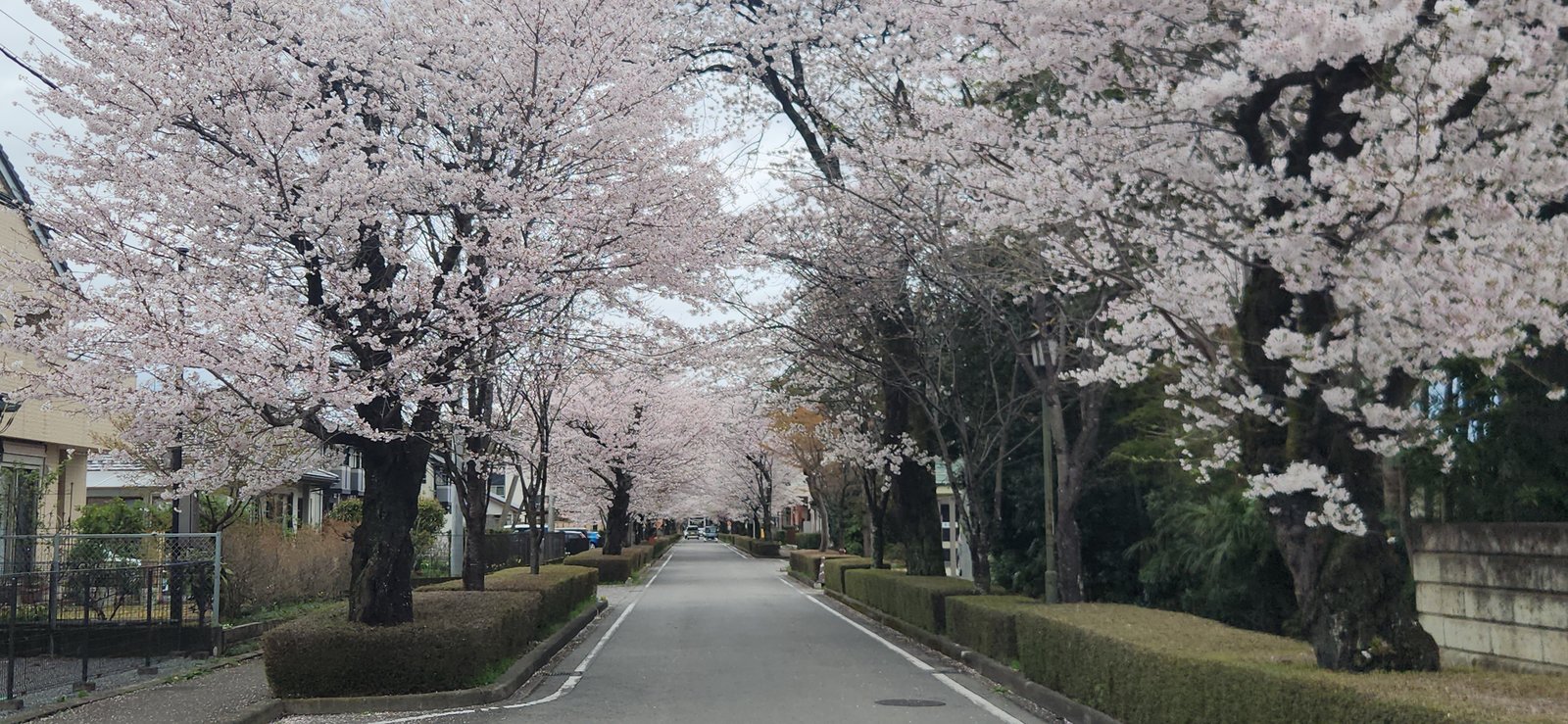
A sakura tunnel is one of the most beautiful ways to experience cherry blossoms in Japan. Instead of looking at one famous tree or a wide park full of blossoms, you walk or drive through a road, riverside path, shrine approach, or park walkway where cherry trees line both sides and arch overhead.
When the trees are in bloom, the branches can create the feeling of a soft pink canopy above you. That is why people often describe these places as sakura tunnels, or 桜のトンネル in Japanese.
For travellers, sakura tunnels are especially rewarding because they are immersive. You are not just standing in front of a cherry tree. You are walking through the blossoms.
Quick Answer: What Is a Sakura Tunnel?
A sakura tunnel is a cherry blossom-lined road, path, or walkway where the branches from both sides create a tunnel-like canopy.
You may find sakura tunnels along:
- shrine approaches
- quiet local roads
- riverside paths
- park walkways
- farm roads
- castle moats
- school or residential streets
Some are famous sightseeing spots. Others are local places that only become special for a short period in spring.
Useful Japanese Words to Know
If you are searching online or using Google Maps, these Japanese terms are helpful:
桜のトンネル / sakura no tonneru
Cherry blossom tunnel.
桜並木 / sakura namiki
Cherry blossom row or tree-lined cherry blossom avenue.
参道 / sando
The approach road or path leading to a shrine or temple.
桜名所 / sakura meisho
Famous cherry blossom spot.
穴場 / anaba
A hidden or lesser-known spot.
花吹雪 / hanafubuki
Cherry blossom petals falling and swirling like snow. You may also see 桜吹雪 / sakura fubuki used in a similar way.
The English phrase “sakura tunnel” is useful for readers, but in Japan, the actual local listing may use 桜並木, 参道, or the name of the shrine, river, road, park, or neighborhood.
What Makes a Sakura Tunnel Different from a Normal Cherry Blossom Spot?
A normal sakura spot might be a park, castle, or riverside area with many cherry trees. A sakura tunnel is more specific. The visual effect comes from the shape and placement of the trees.
The best sakura tunnels usually have three things:
- Cherry trees on both sides
- Branches that reach toward the middle
- A road or path that lets you move through the scene
That movement is important. A sakura tunnel is not only about one viewpoint. The view changes as you walk forward, turn around, look up, or photograph the path from different angles.
This is why even a short sakura tunnel can feel memorable.
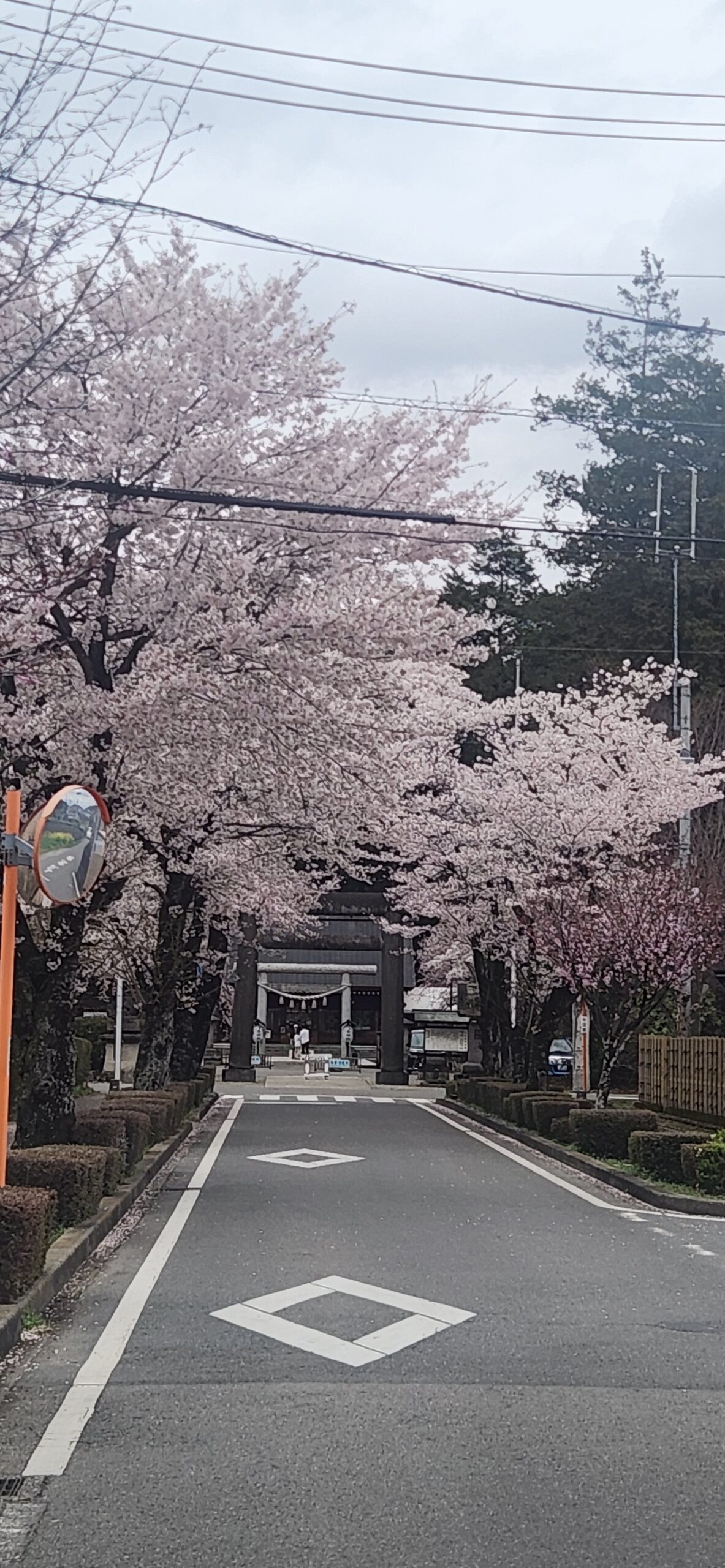
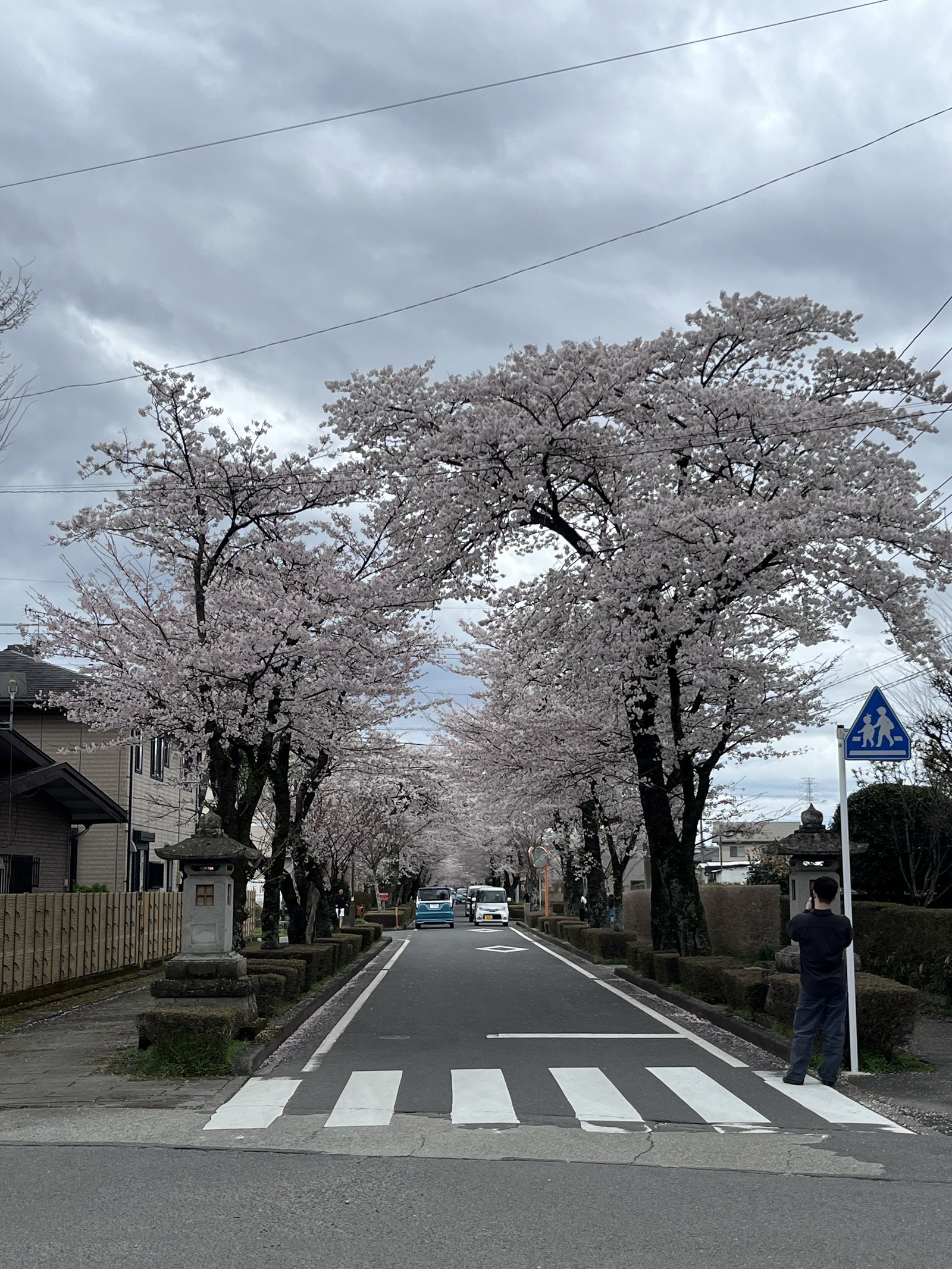
We have experienced this in two very different ways. At Nogi Sando near Nogi Shrine, the trees lined both sides of a quiet shrine approach and curved over the road, and the tunnel effect was much stronger in person than we expected. At Funaoka Castle Park in Miyagi, I once rode the small slope car up the hill through a cherry blossom tunnel. The ride was short, but it felt like moving through the blossoms rather than looking at them. (The slope car was closed for renewal work during our 2026 visit, so check before you go.)
How to Find Sakura Tunnels in Japan
The easiest way to find sakura tunnels is not to search only in English. Many good sakura tunnels are listed in Japanese as 桜並木 rather than “sakura tunnel,” and some are only mentioned on local tourism pages, city websites, or seasonal flower reports.
In short, a useful research routine looks like this:
- Build a candidate list from Japanese sakura forecast sites. Walkerplus, Weathernews, and tenki.jp are the most useful three.
- Search in Japanese using the city, river, shrine, or road name together with 桜並木, 桜のトンネル, or 穴場 桜.
- Check local tourism association and city pages for the practical details forecast sites leave out (parking, toilets, access notes).
- Cross-check with Google Maps recent photos and Street View to confirm there is a real walking path and somewhere safe to park.
- Use social media only for timing (confirming whether the blossoms are open this week), not for deciding whether a spot is worth visiting.
- Save several candidates around your route and decide which one to actually visit a few days before, based on current bloom reports.
If you want the full version of this method, including the Japanese keyword table, location types, and how to plan around the edges of famous regions, see our How to Find Lesser-Known Sakura Spots in Rural Japan guide.
When Is the Best Time to Visit a Sakura Tunnel?
The best timing is usually around full bloom, but there are two good windows.
Near full bloom is best if you want the classic canopy effect. The trees look full, the branches feel soft and heavy, and the tunnel effect is strongest.
A few days after full bloom can also be beautiful if the weather is calm. This is when you may see 花吹雪 / hanafubuki, the scene of cherry blossom petals falling and swirling like snow. It can create a pink carpet on the road or path and make the tunnel feel even more atmospheric.
The tradeoff is risk. A few days after full bloom can be beautiful, but strong wind or rain can end the season quickly. If you only have one chance to visit a specific sakura tunnel, aim for full bloom. If you have flexibility, the petal-falling stage can be a beautiful bonus.
The exact timing depends on the year, location, elevation, and weather. Forecast sites such as tenki.jp and Weathernews can help you compare first bloom, full bloom, current bloom status, and local weather before deciding where to go.
For a trip, do not rely only on an average bloom date. Check current bloom reports close to your travel day.
Are Sakura Tunnels Good for Photography?
Yes, sakura tunnels are very photogenic, but they can also be harder to photograph than expected.
The most common mistake is standing too close to the trees. If you want the tunnel effect, step back and include the road or path in the frame. The leading lines are part of what makes the scene work.
Try these photo ideas:
- shoot from the entrance of the path
- include a person walking away from the camera for scale
- look back after you pass the densest section
- photograph the same path from both directions
- take one wider photo before focusing on close-up blossoms
If cars use the road, safety comes first. Never stand in the road just because the photo angle looks better.
How Long Should You Spend at a Sakura Tunnel?
For a short local sakura tunnel, 30 minutes may be enough if you only want photos.
For a better visit, plan 1 to 2 hours if the tunnel connects to a shrine, park, riverside walk, or nearby historical site. This makes the stop feel more complete and avoids treating the area like a quick photo backdrop.
That is how I would approach Nogi Sando near Nogi Shrine: walk the sakura approach, visit the shrine, and include the nearby historical area if you have time.
Sakura Tunnel Etiquette
Sakura tunnels are beautiful, but many are also normal local spaces. Some are roads, shrine approaches, school routes, or residential streets.
A few simple rules make a big difference:
- use proper parking
- do not block roads or private driveways
- do not step into planted areas
- avoid tripods if the path is narrow or crowded
- keep voices low near shrines, homes, and temples
- take your trash with you
- let local residents pass first
The best hidden sakura spots stay pleasant because visitors treat them gently.
Are Sakura Tunnels Worth Seeking Out?
Yes, but not every sakura tunnel is worth a major detour.
A famous sakura tunnel may be worth planning around. A smaller rural sakura tunnel is usually best added to a nearby route. The goal is not to collect every cherry blossom spot. It is to make your spring trip feel more seasonal, personal, and flexible.
If you are already driving through rural Japan during bloom season, a quiet sakura tunnel can become one of the most memorable stops of the day.
Best For
Sakura tunnels are best for travellers who:
- enjoy walking slowly
- like photography
- prefer atmosphere over major attractions
- are comfortable checking bloom timing
- enjoy local and lesser-known places
Skip If
You may want to skip a sakura tunnel if:
- you want food stalls and festival energy
- you do not want to walk
- you need guaranteed facilities
- you are uncomfortable with rural roads or limited parking
- the blossoms are already finished and there is no nearby backup plan
Final Thoughts
A sakura tunnel is simple: cherry trees on both sides, blossoms overhead, and a path that lets you walk through spring.
But walking through one feels very different from looking at a single tree. The best sakura tunnels are not always the most famous ones. Sometimes they are shrine approaches, local roads, or quiet park paths that only look like this for a short time each year.
That is what makes them worth understanding before your Japan trip. Once you know what to look for, you will start noticing sakura tunnels everywhere.
FAQ
What does sakura tunnel mean?
A sakura tunnel means a cherry blossom road, walkway, or path where the trees line both sides and create a tunnel-like canopy overhead.
What is sakura tunnel in Japanese?
The direct phrase is 桜のトンネル. You may also see 桜並木, which means cherry blossom row or avenue.
How do I search for sakura tunnels in Japan?
Search in Japanese using terms like 桜並木, 桜のトンネル, 桜名所, 参道 桜, and 穴場 桜. For planning, combine Japanese search results with resources such as Walkerplus, Weathernews, tenki.jp, local tourism pages, and Google Maps.
Are sakura tunnels only for cars?
No. Some are scenic driving roads, but many are better enjoyed on foot. If the road is used by cars, park properly and walk from a safe area.
When should I visit a sakura tunnel?
The strongest tunnel effect is usually around full bloom. A few days after full bloom can also be beautiful if you catch 花吹雪, when petals fall like snow, but wind and rain can shorten this stage quickly.