Most visitors come to Matsushima for the classic sights: the bay, the pier area, Godaido, Zuiganji, maybe a sightseeing cruise, and then back to Sendai. That is the standard Matsushima itinerary.
That is not a bad way to visit. Central Matsushima is famous for a reason, and I still found it enjoyable rather than overly touristy. The shoreline walks, Fukuurajima, Godaido, small shops, and views across the bay are all worth your time.
But after staying in Matsushima for four nights and using it as a base with a car, I felt that the area becomes much more rewarding when you go beyond the standard bay route. This Matsushima itinerary is not about rushing through more stops. It is about seeing the bay from different angles: from the water, from quiet viewpoints, from rural Oku-Matsushima, and from places that most day-trippers never reach.
The biggest difference is perspective. Instead of only seeing Matsushima from the pier or the cruise boat, you can see it from temple grounds, hilltop viewpoints, small museums, scenic roads, and quieter coastal areas. That wider version of Matsushima felt calmer, more spacious, and more memorable.
Trip notes
– Where: Matsushima and Oku-Matsushima, Miyagi Prefecture, Japan
– When: four nights in early April
– Base: Hotel Matsushima Taikanso
– Transport: rental car from Sendai
– Travel style: slower travel, scenery, viewpoints, local food, and history
Quick verdict
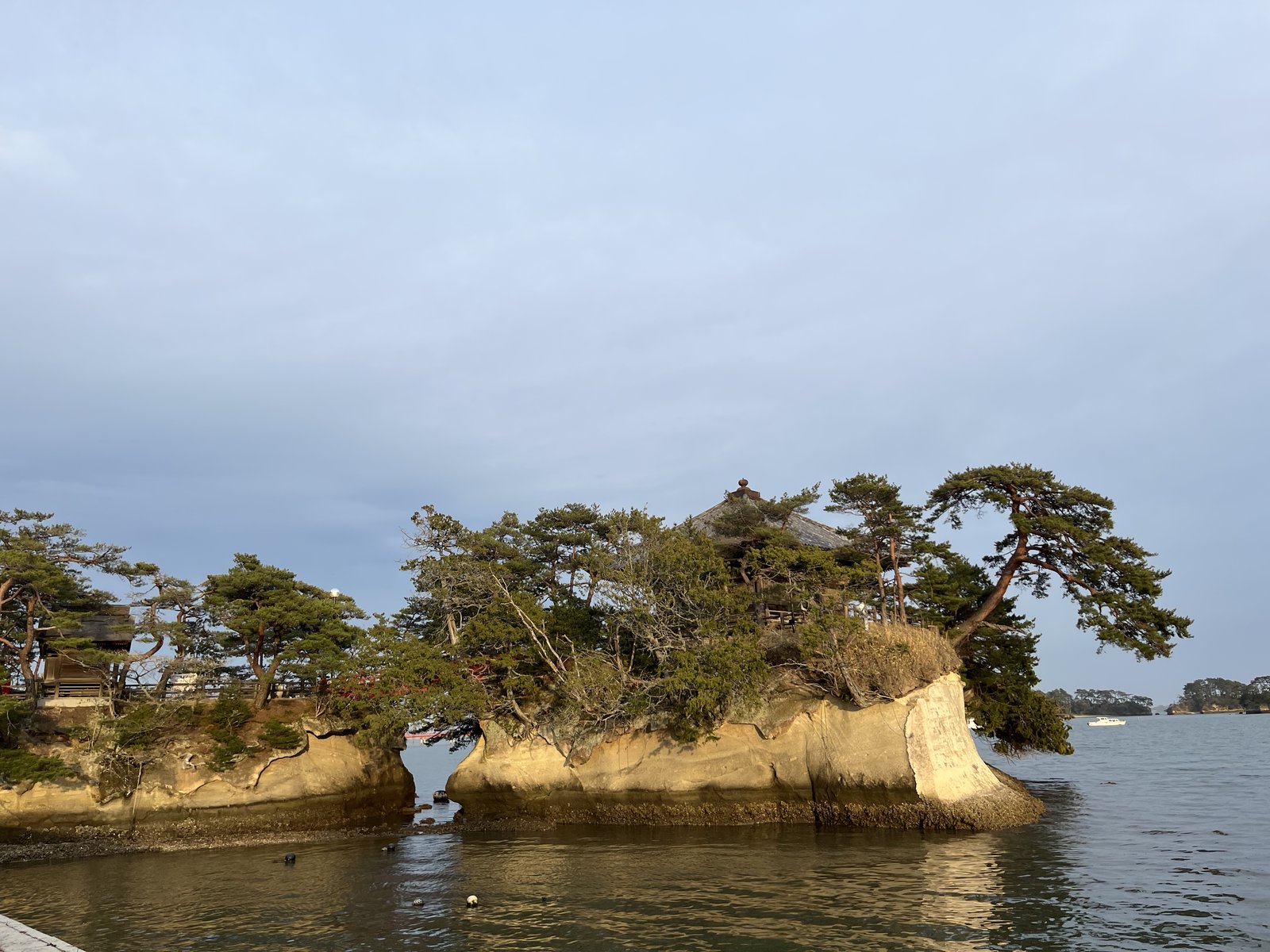
If this is your first time in Matsushima, the central area is still worth visiting. I would not skip the pier area, Fukuurajima, Godaido, or the shoreline walks.
But if you have more time, Matsushima is better when you stay overnight and explore beyond the bay. Staying lets you see the area in quieter moments, especially early in the morning, and having a car makes places like Tomiyama, Daigyoji, Otakamori, and Oku-Matsushima much easier to include.
For a simple day trip from Sendai, I would keep the plan focused on central Matsushima. For a deeper trip, I would stay at least one night. If you have a car and enjoy scenery, culture, and slower travel, two nights or more gives you a much better version of the area.
For the longer reasoning on trip length, see How Many Days Do You Need in Matsushima?.
Best for / skip if
Best for
This wider Matsushima itinerary is best for travellers who enjoy beautiful scenery, quiet viewpoints, culture, history, and exploring by car.
It is also a good fit if you like places that are famous but still have quieter layers once you move slightly away from the main sightseeing path.
Skip or keep it short if
You may want to keep Matsushima as a simple day trip if you mainly want nightlife, lots of restaurant choices, or a very efficient checklist-style itinerary.
Matsushima is peaceful at night, which I liked, but that also means dinner choices are more limited than in Sendai.
Why I stayed in Matsushima instead of Sendai
I chose Matsushima as my base for four nights instead of staying in Sendai because I wanted a hotel with a nice view, a bigger room, and the flexibility to drive around the wider area.
This was the right choice for the kind of trip I wanted. I was not trying to maximize restaurants, shopping, or city convenience. I wanted to slow down, enjoy the scenery, and use Matsushima as a base for nearby places.
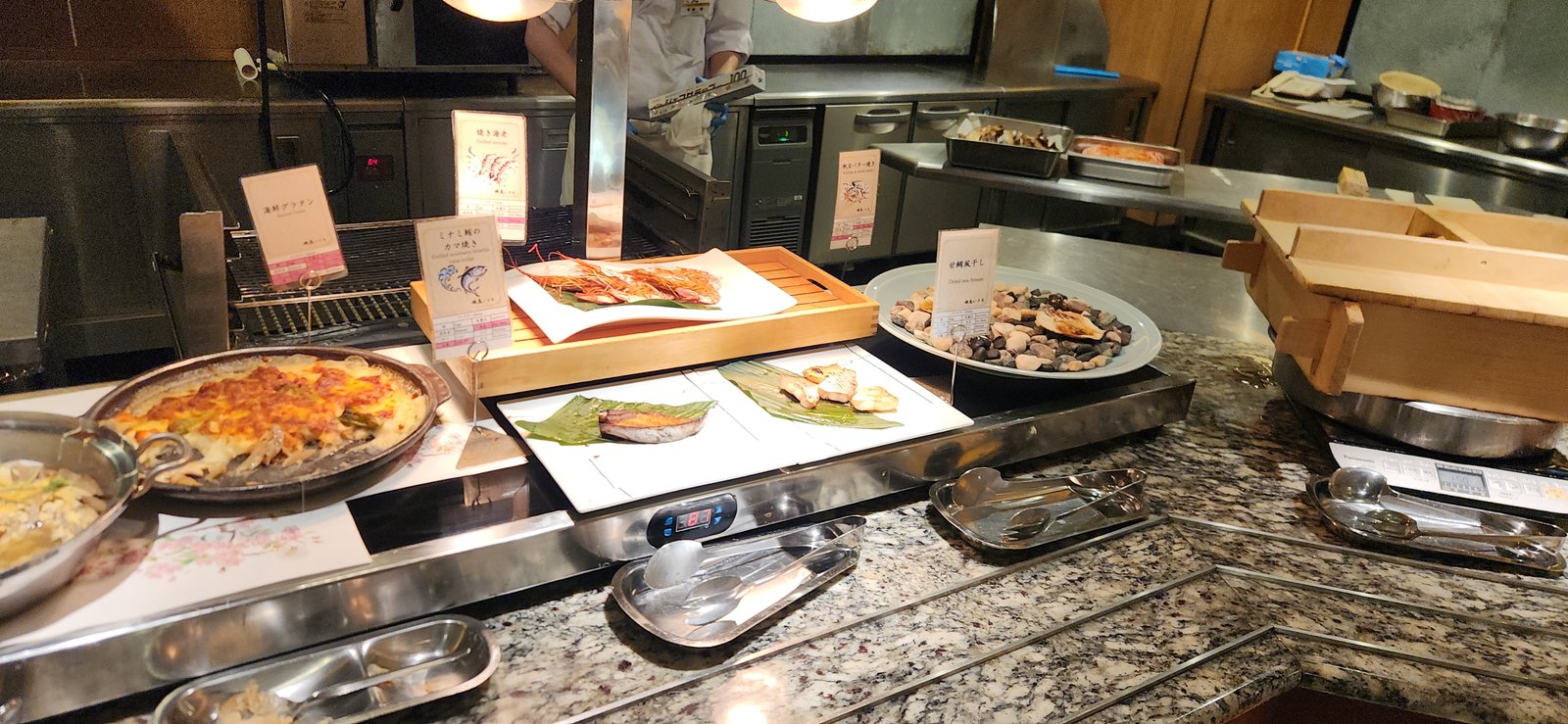
The biggest practical benefit was timing. Sunrise from Hotel Matsushima Taikanso was especially memorable, even though I do not have a good sunrise photo for this article. The public bath was also nice, and the outdoor bath had views. The seafood buffet turned out to be one of the better things about staying there, partly because it solved the limited-dinner-choices issue in central Matsushima.
Is central Matsushima still worth visiting?
Yes. Even if your goal is to go beyond the usual route, central Matsushima is still worth your time.
On this trip, I visited the pier area, Fukuurajima, Godaido, shops, and shoreline walks. I did not take the bay cruise this time, but I have done it on a previous trip.
Personally, I prefer viewpoints over the cruise because I like seeing the bay from above and from different angles. But for a first trip, if you have enough time, I would do both: the cruise and at least one viewpoint.
For a deeper comparison, see Matsushima Bay Cruise vs Viewpoints: Which Should You Prioritize?.
Central Matsushima did not feel too touristy to me. It is popular, but still enjoyable. The important thing is not to treat it as the whole story. It is the easiest introduction to Matsushima, but not necessarily the most rewarding part if you have a car and more time.
A Matsushima itinerary for going beyond the bay
If you are staying overnight and have a car, I would think of Matsushima in two layers.
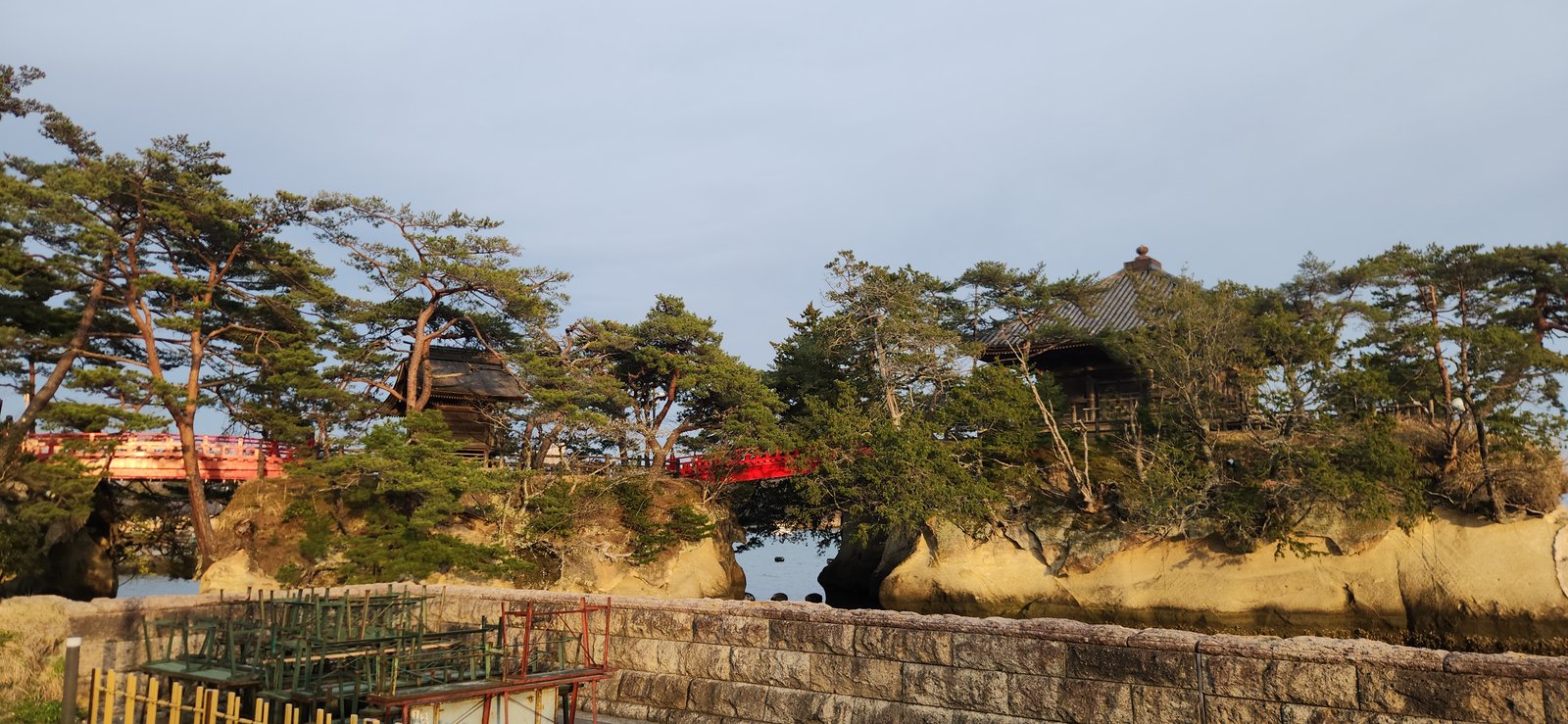
The first layer is central Matsushima: the pier, Fukuurajima, Godaido, shoreline walks, shops, temples, and possibly the bay cruise.
The second layer is the wider area: Tomiyama and Daigyoji, Oku-Matsushima, Otakamori, the Jomon Village History Museum, and food stops such as Enmantei.
You do not need to rush through all of this in one day unless your schedule is tight. If you have two days, the trip becomes much easier to enjoy.
My suggested 2-day Matsushima itinerary
Day 1: Central Matsushima
Spend the first day around the central bay area. Walk the shoreline, visit Godaido and Fukuurajima, browse the shops, and consider Zuiganji, Entsuin, or the bay cruise depending on your interests.
If it is your first visit to Matsushima and the weather is good, I would not overcomplicate this day. Central Matsushima is easy to enjoy when you are not rushing.
Day 2: Tomiyama, Daigyoji, and Oku-Matsushima by car
Use the second day for the wider area. A comfortable route could include Tomiyama / Daigyoji, Otakamori, Jomon Village History Museum, and Enmantei ramen.
Cafe le Roman and Saigyo Modoshi no Matsu Park can also fit into the plan, but I would treat the cafe as optional because the queue can be long even before opening.
This is the version of Matsushima that made the area feel more personal to me. It was not just about adding more stops. It was about seeing the bay from above, from quieter roads, and from Oku-Matsushima’s more rural side.
The places that made the car worthwhile
The best part of having a car was not that the individual stops were difficult. It was that the car made it easy to connect several quieter places in one comfortable day.
On one day, I visited or attempted:
- Cafe le Roman
- Tomiyama / Daigyoji
- Otakamori
- Jomon Village History Museum
- Enmantei ramen
The route felt comfortable rather than rushed. If you have a full day with a car, this wider Matsushima and Oku-Matsushima route is very doable.
If you are still deciding whether the car is worth the extra cost and paperwork, see Car vs Train in Matsushima and Oku-Matsushima.
Tomiyama and Daigyoji: my favourite viewpoint
Tomiyama and Daigyoji were one of the highlights of the wider Matsushima area for me.
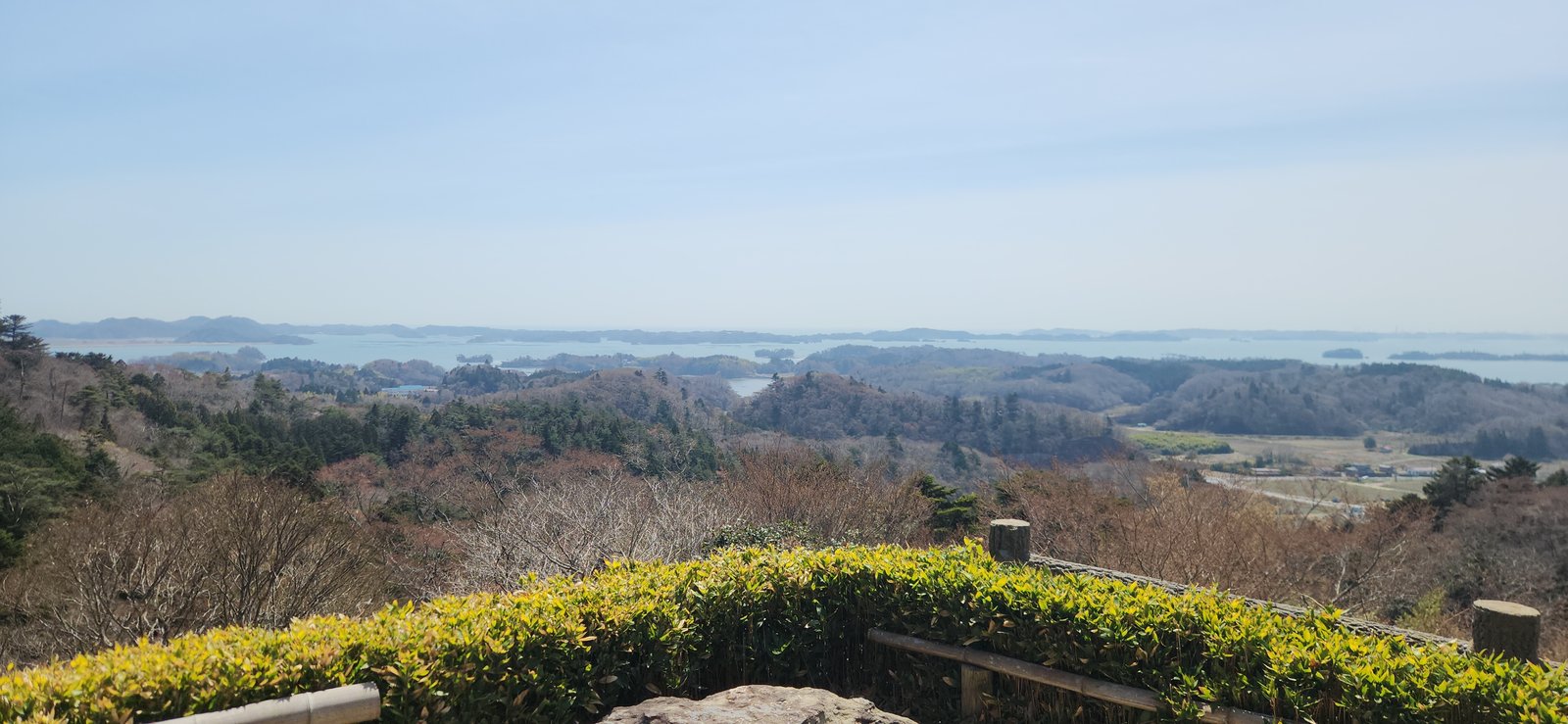
The view from Daigyoji felt open, elevated, and panoramic in a way the central bay area is not. That combination made it my favourite viewpoint of the trip.
It was also easy to access by car. I would not describe it as a major attraction where you need to spend half a day. For most travellers, 40 minutes to an hour is enough. But it is exactly the kind of short stop that can change how you experience Matsushima.
Instead of seeing the bay only from the pier level, you suddenly see the islands and water from above, without the same busy feeling as central Matsushima.
If you do not have a car, Tomiyama / Daigyoji may still be possible, but only if you are comfortable with more effort. You can take the train to the Rikuzen-Tomiyama Station and then walk uphill for around 45 minutes. For some travellers, that may be worth it. For others, an easier viewpoint near central Matsushima will make more sense.
Tomiyama is also one of the Matsushima Four Great Views, which is a useful framework for choosing which viewpoint to prioritize.
Oku-Matsushima and Otakamori
Oku-Matsushima felt very different from central Matsushima.
Central Matsushima is scenic and easy to visit. Oku-Matsushima is more rural, less polished, and noticeably less touristy. This is where the area starts to feel less like a famous sightseeing destination and more like a landscape you are exploring.
For a beginner-friendly orientation, see What Is Oku-Matsushima?.
I went to Otakamori, one of the well-known viewpoints in Oku-Matsushima. Compared with Daigyoji, it requires more effort. The climb to the summit takes around 20 minutes. There are stairs, but each step is short, so it is not too steep. If you walk the whole route, a realistic time budget is up to 90 minutes including parking, walking, viewpoint time, and coming back down.
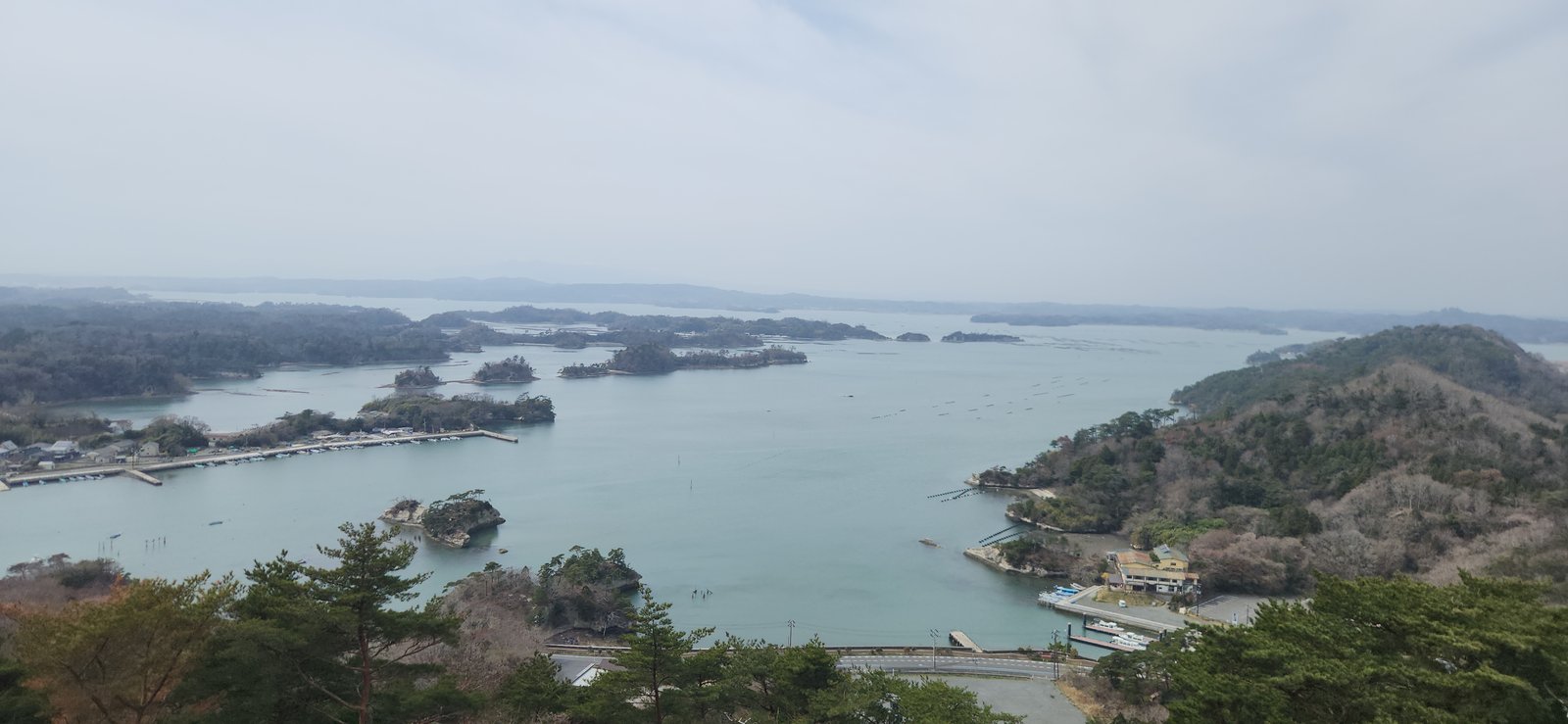
I personally preferred Daigyoji because the view was more open and the stop was easier. But Otakamori is still worthwhile if you want the Oku-Matsushima experience and do not mind a longer walk.
Jomon Village History Museum
The Jomon Village History Museum is small, so it is important to set expectations.
I enjoyed it because the shell mound display gave me a clearer sense of how long this coastline has been inhabited. If you like history, culture, archaeology, or slower local museums, it is worth considering as part of a wider Oku-Matsushima driving route.
But if you are mainly looking for dramatic scenery, exciting attractions, or a large museum with a lot to see, this may not be the stop for you.
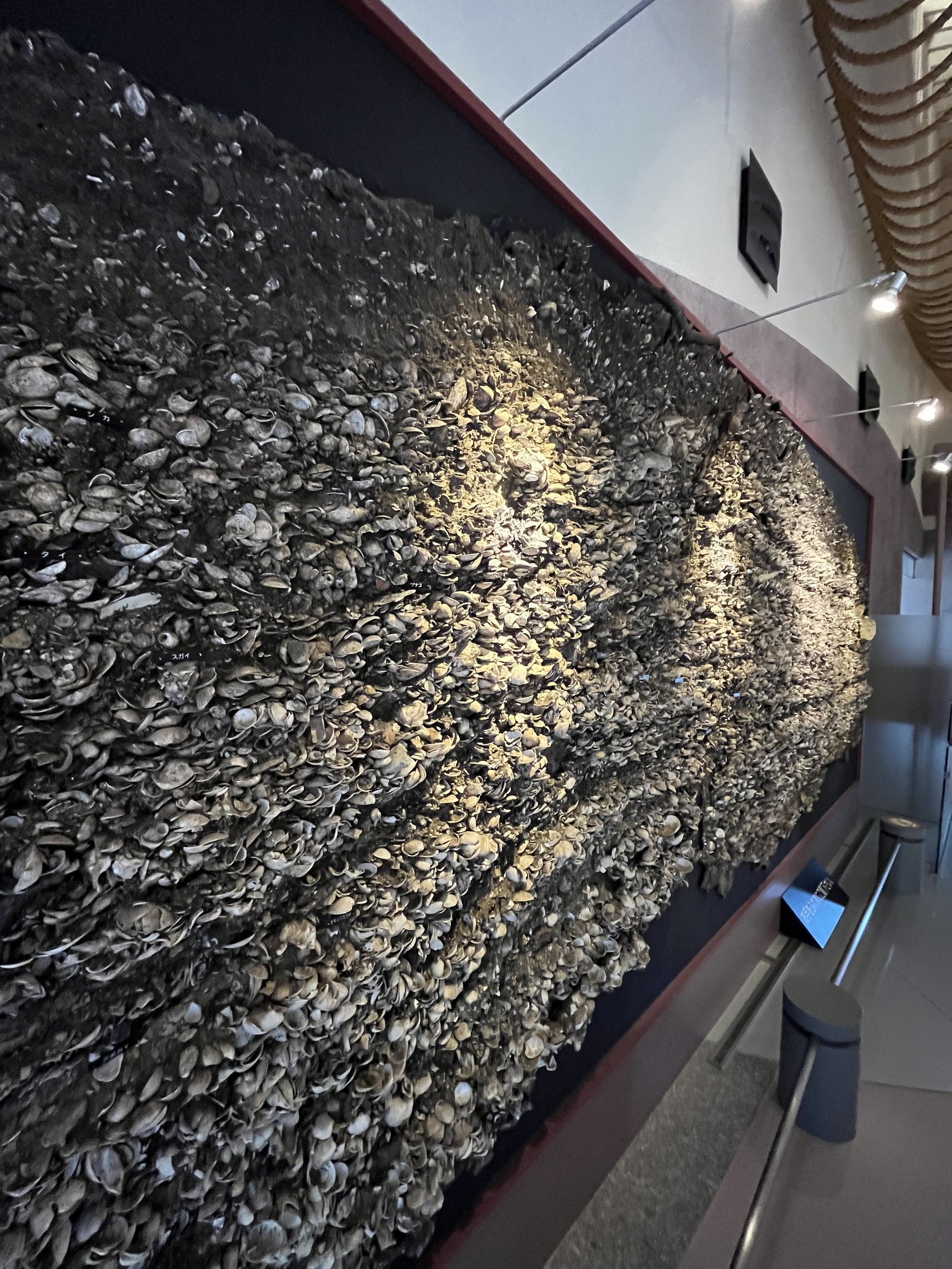
I would not build the whole day around this museum. I would treat it as a meaningful supporting stop, especially if you are already driving through the area and want to understand more of the local history beyond the bay views.
Practical note: Current official/local listings generally show the Jomon Village History Museum as open 9:00–16:30, closed on Wednesdays and during the year-end/New Year holiday period. Admission is listed as ¥400 for adults, ¥300 for high school students, and ¥150 for elementary/junior high school students. Check the official museum page before visiting around holidays.
Cafe le Roman and Saigyo Modoshi no Matsu Park
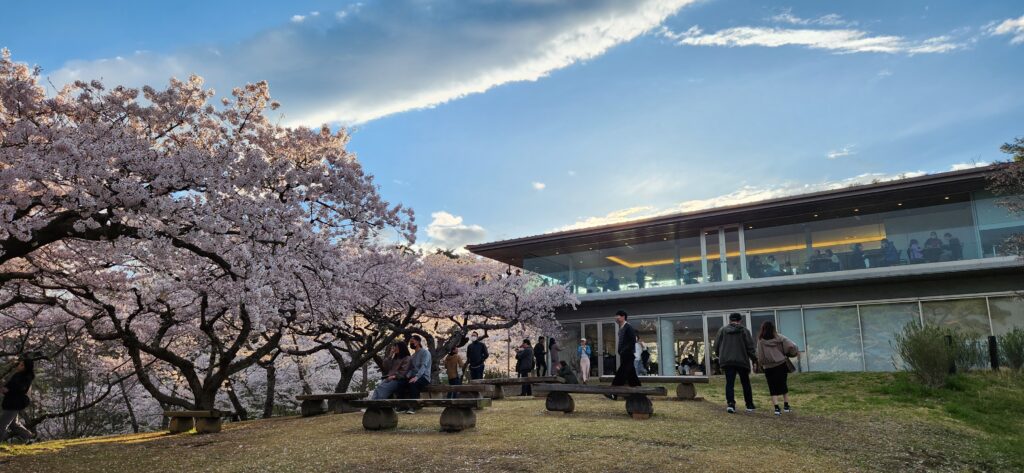
Cafe le Roman is scenic, but it was much busier than I expected.
I arrived just before 11:00, around the time it was about to open, and the queue was already very long. Because of that, I would not treat it as a casual hidden cafe stop.
If you really want to visit the cafe, plan for a possible wait. If the queue is too long, the area is still worth visiting for the view around Saigyo Modoshi no Matsu Park.
This is especially useful for travellers without a car who are staying overnight in Matsushima. Even if the cafe itself is too busy, the viewpoint area can still be a good way to see Matsushima from above without going all the way to Oku-Matsushima.
Practical note: The Matsushima Tourism Association lists le Roman as open 11:00–17:00 and closed on Tuesdays. Cafe hours can still change seasonally or unexpectedly, especially around cherry blossom timing, so check the cafe’s latest social media before going.
Enmantei ramen
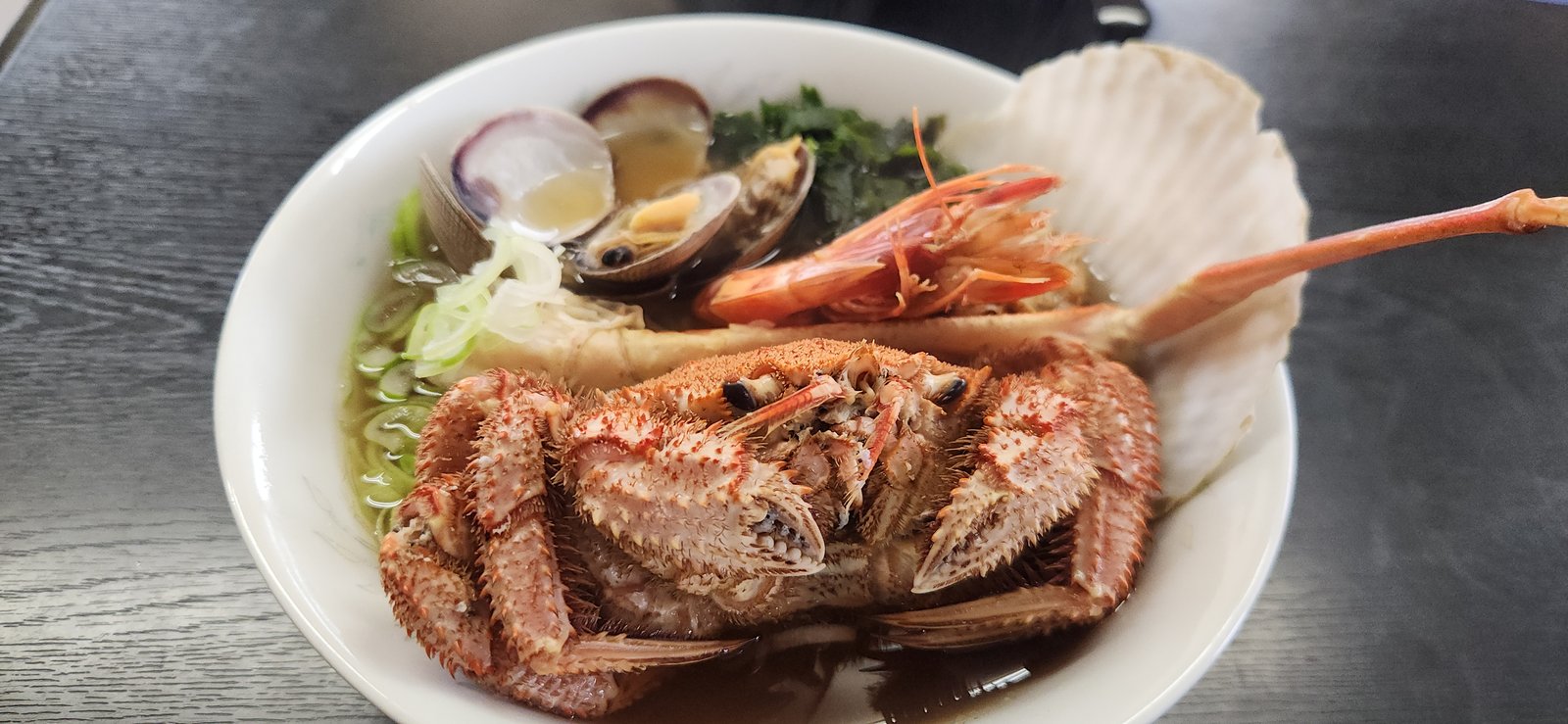
Enmantei was an interesting food stop between Matsushima and Oku-Matsushima (Google Maps). The most famous dish there is seafood ramen with a whole crab, and it is not something every traveller will come across. I had some trouble opening the crab, and the older woman working there kindly helped me open it. She also told us her story of how she evacuated when the 2011 tsunami happened.
Practical tip: Google Maps lists opening hours and days, but in my experience small-town restaurants, especially in the low season, do not always stick to them. If Enmantei is an important stop for you, have a backup lunch option nearby. Bring cash, as I am not sure whether cards are accepted.
A note on season
I visited in early April, which gave the trip a spring atmosphere. I would not plan the whole trip only around cherry blossoms, because bloom timing changes by year, but the season did affect how the area felt.
If you visit in spring, Saigyo Modoshi no Matsu Park is especially worth checking because it is known for cherry blossoms with Matsushima Bay views. This also means the area can be busier when the timing is good.
If you visit in autumn, temple grounds and wooded areas may add more seasonal colour to a central Matsushima day. In winter or quieter months, the area may feel calmer, but you will also lose some of the seasonal visual reasons to linger outside.
The practical point is simple: Matsushima is scenic in more than one season, but your pacing should match the season. In spring and autumn, leave more space for slow viewpoints and photos. In quieter months, focus more on clear-weather views, food, baths, and not overloading the day.
Suggested routes
If you are doing Matsushima as a day trip from Sendai
Keep it simple.
I would focus on central Matsushima rather than trying to force Oku-Matsushima into the day. Oku-Matsushima is too far to comfortably include in a simple day trip, especially by public transport.
A good first-time day trip could include:
- Pier area
- Fukuurajima
- Godaido
- Zuiganji or Entsuin if you are interested
- Bay cruise if you want the classic Matsushima experience
- Shoreline walks and shops
If you have extra time and energy, you could add a nearby viewpoint, but I would not make the day too complicated.
If you stay overnight in Matsushima without a car
Without a car, I would still focus mostly on central Matsushima and nearby viewpoints.
Good options include:
- Sunrise or early morning bay views
- Pier area and shoreline walks
- Fukuurajima
- Godaido
- Shops and cafes
- Saigyo Modoshi no Matsu Park
- Cafe le Roman area for the view, even if the cafe is busy
Tomiyama / Daigyoji may also be possible if you are comfortable taking the train and walking about 45 minutes uphill. I would only recommend that if you are comfortable with the effort and have checked the route carefully.
If you have one full day with a car
This is where Matsushima becomes much more interesting.
A realistic wider-area day could include:
- Morning in central Matsushima
- Tomiyama / Daigyoji
- Otakamori
- Jomon Village History Museum
- Enmantei ramen
- Optional Cafe le Roman / Saigyo Modoshi no Matsu Park, depending on queue and timing
This felt comfortable to me as a one-day route. The main thing I would change is not relying on Cafe le Roman unless you are prepared to wait.
If you have two nights or more
With two nights or more, I would slow the trip down.
Use one day for central Matsushima, shoreline walks, the classic sights, and maybe the bay cruise. Use another day for Tomiyama, Daigyoji, Oku-Matsushima, Otakamori, the Jomon museum, and a food stop like Enmantei.
This gives you the best of both versions: the famous Matsushima that most visitors see, and the quieter wider area that makes the trip feel more personal.
Parking note for central Matsushima
Central Matsushima has paid parking lots near the pier, but free options exist a short walk from the main sightseeing area. On my visit I used one within 10 minutes walk from the pier.
Parking link: Google Maps listing for the free parking lot I used
What I would do differently
The main thing I would change is Cafe le Roman.
I would still go to the Saigyo Modoshi no Matsu Park area for the view, but I would not assume the cafe will be easy to enter. Arriving just before opening was not early enough to avoid a long queue.
A smaller change: I would set lower expectations for the Jomon Village History Museum on a first visit. I enjoyed it, but I went in not knowing how small it was. Setting expectations honestly would have helped.
Other than that, I would not change much. Four nights in Matsushima felt about right, and I could even have used one more night. That surprised me a little, because many people treat Matsushima as a short side trip from Sendai.
For my travel style, staying longer made sense. I liked the quiet atmosphere, the morning views, the public bath, the seafood buffet, and the ability to drive to places that most day-trippers probably skip.
Final thoughts: is Matsushima worth more than a day trip?
Yes, if you enjoy scenery and slower travel.
A Matsushima day trip is still worthwhile. You can see the pier area, walk to Godaido, visit Fukuurajima, take a cruise, and enjoy the bay without staying overnight.
But the version of Matsushima I enjoyed most was wider and quieter. It included the view from Daigyoji, the rural feeling of Oku-Matsushima, the walk up Otakamori, a small history museum, and quiet moments from the hotel.
If you only see Matsushima from the central bay area, you will still see something beautiful. But if you stay longer and go beyond the bay, Matsushima starts to feel less like a sightseeing stop and more like a place worth settling into for a few days.