Quick Answer
Matsushima is one of Japan’s Three Scenic Views because its bay of pine-covered islands became one of the country’s most admired landscapes.
The scenery is not about one single temple, one island, or one viewpoint. It is the whole composition: small islands, pine trees, water, coastline, temples, boats, and changing light.
Japan’s Three Scenic Views are traditionally:
- Matsushima in Miyagi Prefecture
- Amanohashidate in Kyoto Prefecture
- Miyajima in Hiroshima Prefecture
The official Three Scenic Views site describes the three places as Edo-period landscapes praised for their sea and greenery, and traditionally connected with the scholar Hayashi Gaho’s writings. Nihon Sankei official site gives a short English overview.
What Is Matsushima?
Matsushima is a coastal area in Miyagi Prefecture, near Sendai.
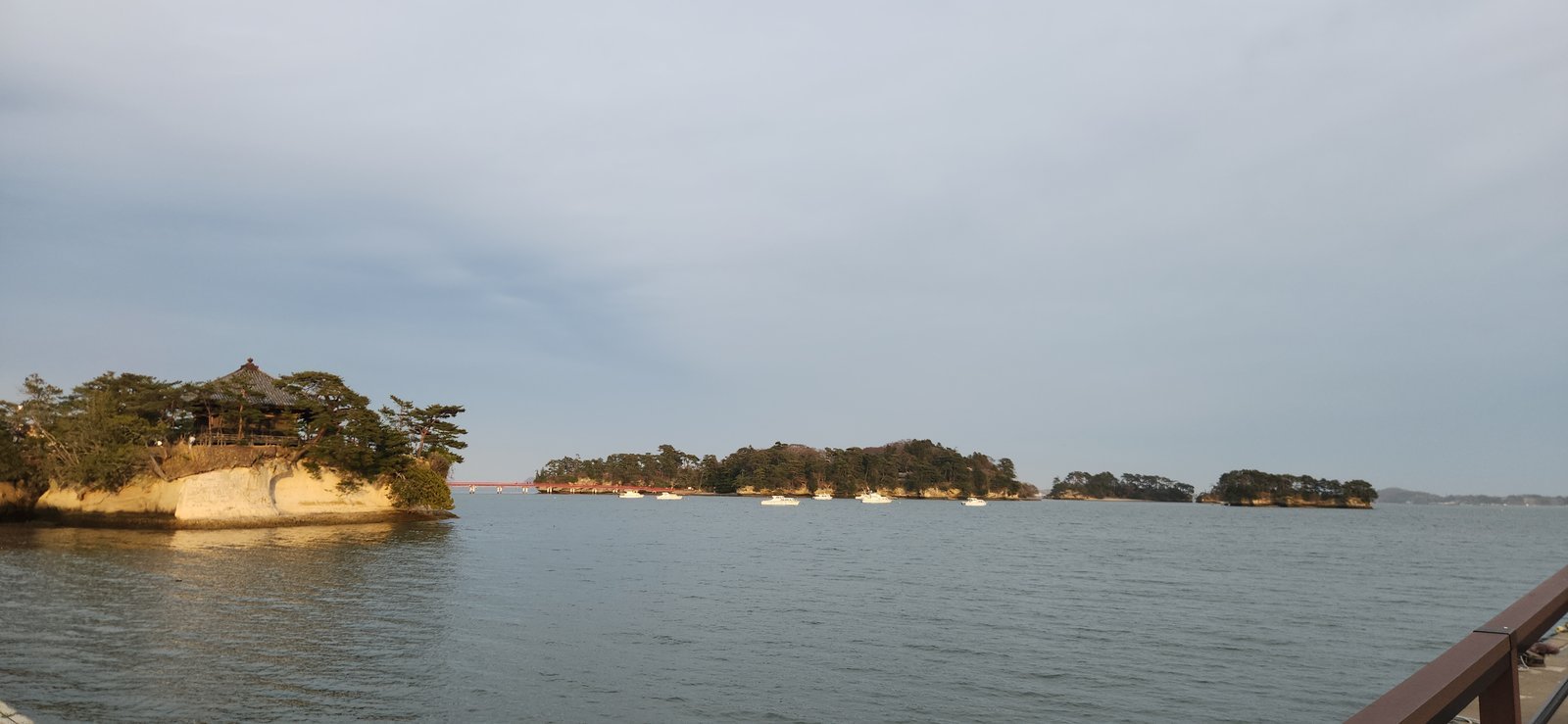
The name can be understood as pine islands, which makes sense when you see the bay. Small islands covered with pine trees sit across the water, creating a layered seascape that changes depending on where you view it from.
Japan’s official tourism site describes Matsushima Bay as having around 260 islands and says the bay is considered one of Japan’s Three Most Scenic Spots. Japan Travel also connects Matsushima with the poet Matsuo Basho, who famously travelled through the area.
What Are Japan’s Three Scenic Views?
Japan’s Three Scenic Views, or Nihon Sankei, are a traditional grouping of three especially admired landscapes.
They are not the only beautiful places in Japan. They are not a modern ranking of the country’s best tourist spots either.
They are cultural landscapes that became famous through travel writing, poetry, art, and repeated admiration over time.
When people ask why Matsushima is one of Japan’s Three Scenic Views, the answer is not simply because it is pretty. Many places in Japan are pretty. Matsushima became famous because its bay scenery entered Japanese cultural memory.
Why Matsushima Became Famous
Matsushima’s appeal comes from the way many small elements work together.
The islands are not huge, but there are many of them. Some sit close to the shoreline. Others appear farther away, creating depth. The pine trees make the islands feel alive and delicate, while the water gives the whole bay a calm rhythm.
From the shoreline, Matsushima feels close and charming.
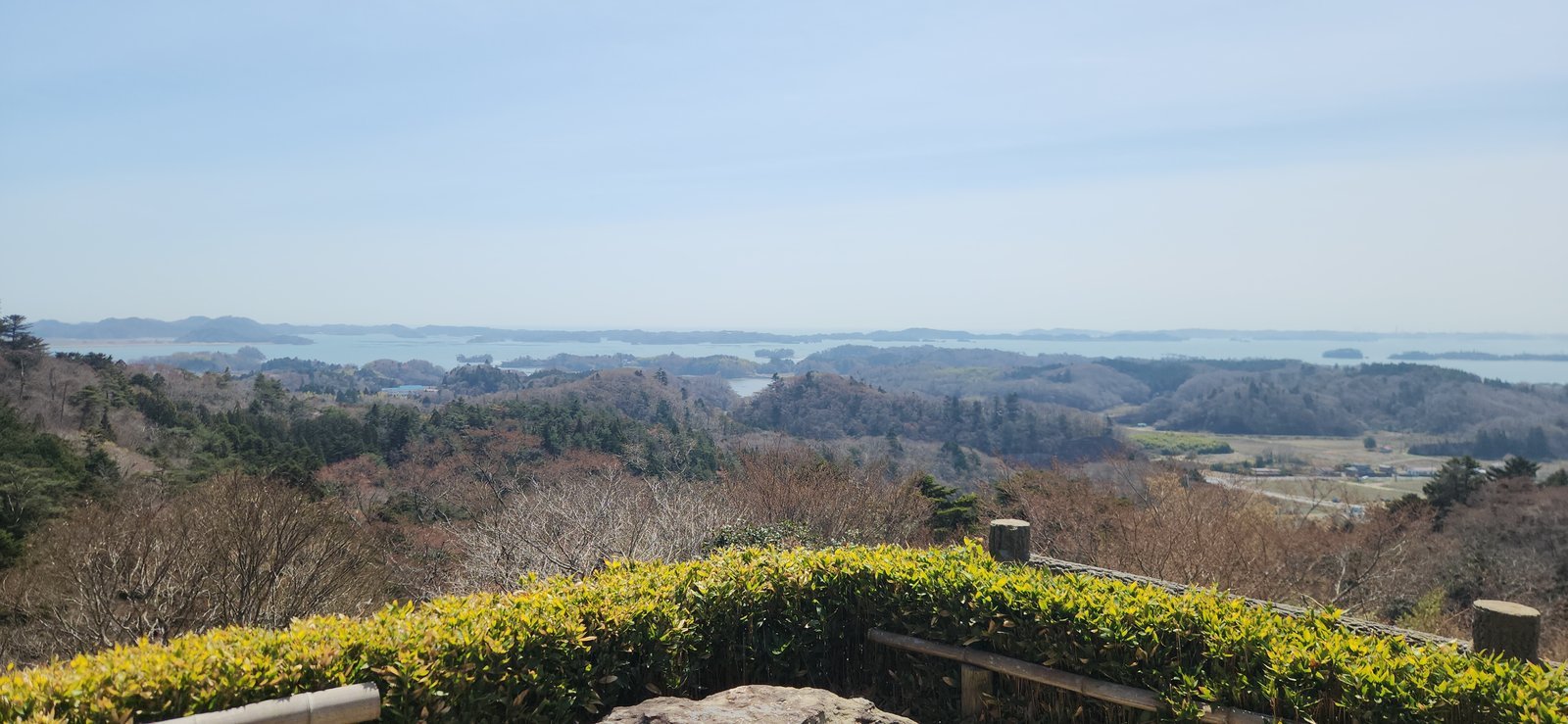
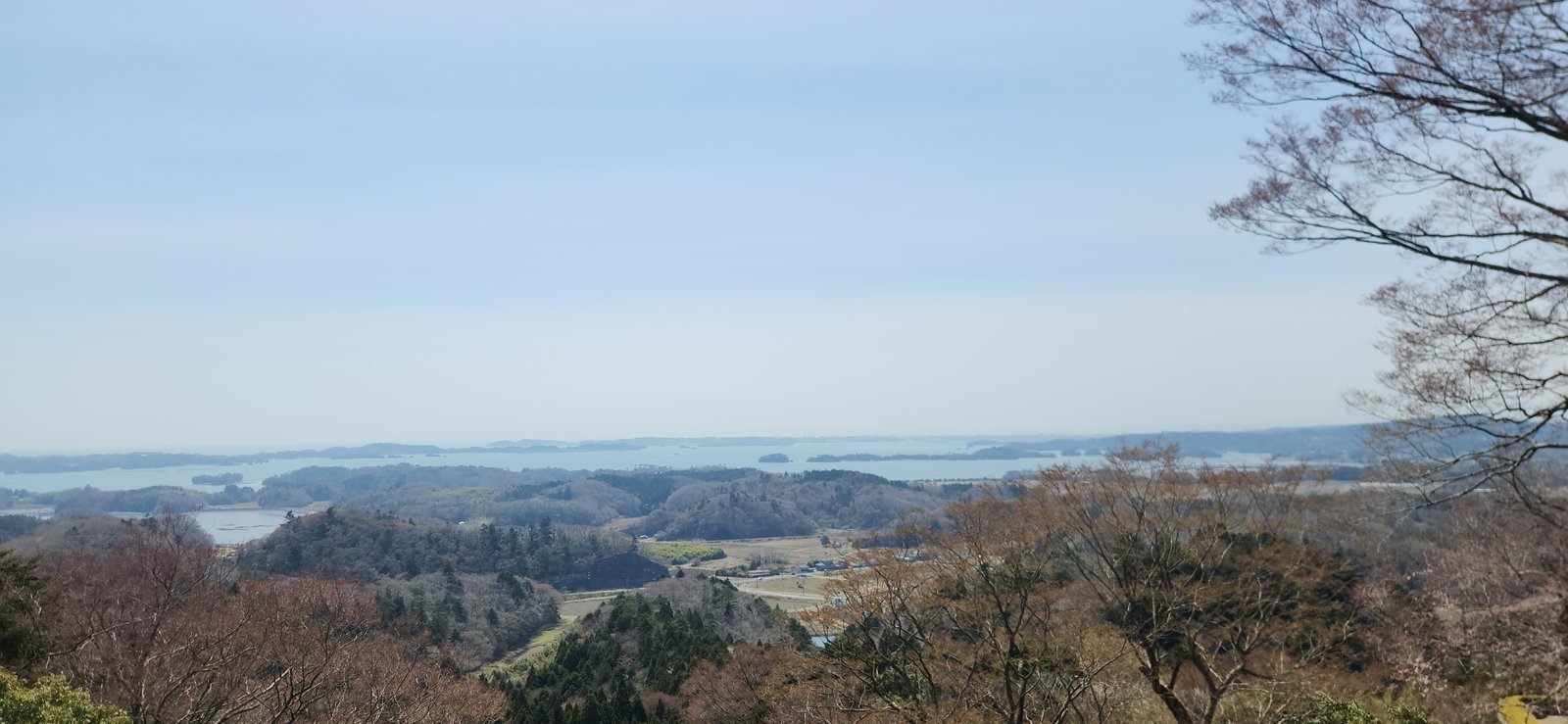
From above, the bay becomes a wider pattern of islands, water, and coastline.
That layered quality is what makes Matsushima different from a single viewpoint. The scenery changes depending on where you stand.
Matsushima and Japanese Travel Culture
Matsushima has been admired for centuries, and its reputation is tied to Japanese travel culture.
Matsuo Basho’s journey through northern Japan, recorded in Oku no Hosomichi, helped make many Tohoku places part of the literary imagination. Japan Travel notes that even Basho struggled to describe Matsushima’s beauty. Japan Travel summarizes this connection for travellers.
This is one reason Matsushima still feels different from a normal sightseeing stop. When you visit, you are not only looking at islands. You are looking at a landscape that generations of travellers, poets, and artists tried to understand and express.
That does not mean every modern visitor will be overwhelmed. If you rush through the most crowded area in the middle of the day, Matsushima can feel like a pleasant coastal town rather than a legendary view.
But if you slow down, look from different angles, and give the scenery time, the reputation starts to make more sense.
For us, it clicked in the quiet garden of Daigyoji Temple on Mount Tomiyama. Seeing so many pine islands spread across the bay at once, from above, made the Three Scenic Views title feel earned rather than just a label.
How to Understand Matsushima When You Visit Today
For a first visit, I would not try to make Matsushima meaningful by reading a long history lesson first.
I would see it from at least two angles:
- Close to the shoreline or from a boat
- From one elevated viewpoint
The shoreline helps you see the islands up close. The mountain viewpoints help you understand the shape of the bay.
That is why my practical guide to Matsushima shoreline vs mountain viewpoints separates the planning question from this cultural one.
If you want a quieter elevated view, Tomiyama Kannon-do and Daigyoji Temple are worth considering. If you want a broader Oku-Matsushima panorama, see my Tomiyama vs Otakamori comparison.
Final Thoughts
Matsushima is one of Japan’s Three Scenic Views because it became more than a pretty bay.
It is a landscape of pine islands, water, temples, boats, poetry, and viewpoints. The more angles you see it from, the more it makes sense.
For a quick visit, the shoreline is enough to understand why people come.
For a deeper visit, try to see Matsushima from above too.
FAQ
What are Japan’s Three Scenic Views?
Japan’s Three Scenic Views are Matsushima in Miyagi, Amanohashidate in Kyoto, and Miyajima in Hiroshima.
Why is Matsushima famous?
Matsushima is famous for its bay of pine-covered islands and its long history as an admired scenic landscape in Japanese travel culture.
Is Matsushima worth visiting?
Yes, especially if you enjoy coastal scenery, temples, boat cruises, and viewpoints. It is best appreciated slowly and from more than one angle.