Quick Answer
You can rent a car in Japan as a foreign visitor without much trouble, but only if your driving documents are correct before you arrive.
For many visitors, that means bringing your original driving licence, your passport, and a valid International Driving Permit accepted in Japan. Some visitors, depending on where their licence was issued, need an official Japanese translation of their licence instead.
Once the paperwork is right, the rental process itself is not that complicated. The bigger question is whether your itinerary actually benefits from a car.
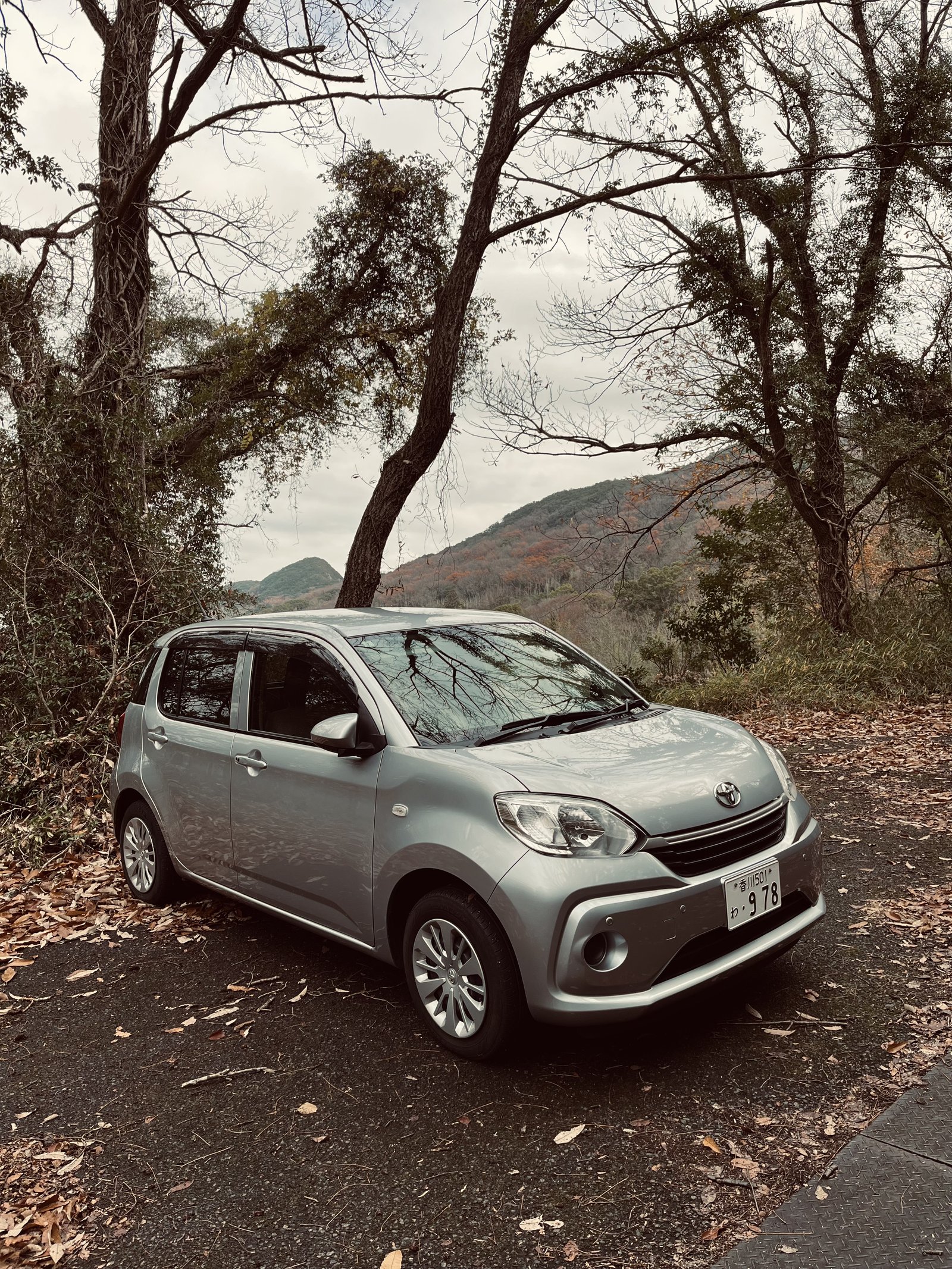
For our Tochigi, Fukushima, and Miyagi route, we did not rent a car for the whole trip. We stayed in Utsunomiya without one, because it worked well as a city stop. We only rented a compact car from Nippon Rent-A-Car when we left Utsunomiya and started travelling into more rural areas.
That is the approach I would recommend for many travellers: use trains for major cities, then rent a car when the trip becomes rural.
Should You Rent a Car in Japan?
You do not need a rental car for every Japan trip.
If your itinerary is mostly Tokyo, Kyoto, Osaka, Sendai, Utsunomiya, or other major cities, the train is usually easier. In those places, a car can add cost, parking hassle, and stress without adding much value.
A rental car becomes much more useful when your route includes rural areas, onsen towns, highland areas, countryside sakura spots, farms, viewpoints, small shrines, or accommodations outside the city centre.
That was exactly our experience. The car was not necessary for Utsunomiya, but it became very useful after we left the city and started visiting places that were spread out or awkward to combine by public transport.
Step 1: Check Whether You Can Legally Drive in Japan
Before comparing rental prices, check your licence situation.
Many foreign visitors need:
- Original home country driving licence
- Valid International Driving Permit accepted in Japan
- Passport
The important detail is that Japan generally accepts IDPs issued under the 1949 Geneva Convention. An IDP issued under another treaty, such as the 1968 Vienna Convention, may not be valid in Japan.
Some visitors from places such as Switzerland, Germany, France, Belgium, Monaco, and Taiwan usually need their original licence plus an official Japanese translation instead of a normal IDP.
Japan’s automobile association, JAF, explains the licence rules in English. Do not guess this part. If the rental counter decides your document is not valid, you may not be able to pick up the car even if you already booked it.
Step 2: Choose Where to Pick Up the Car
The best pickup location is not always the airport.
If you are landing and immediately starting a driving route, airport pickup can be convenient. But if you are staying in a city first, it may be better to rent later.
Our approach worked well:
- Stay in Utsunomiya without a car.
- Use the city as a train-based stop.
- Pick up the rental car only when leaving for rural Tochigi, Fukushima, and Miyagi.
This avoided paying for a car during the city portion and saved us from unnecessary city parking.
I would use the same logic for Sendai. If you are only sightseeing in central Sendai, you probably do not need a car. If you are leaving the city for rural areas, that is when the car starts to make sense.
Step 3: Book Direct or Through a Third Party?
You can book Japanese rental cars through rental company websites, travel booking platforms, or car-rental comparison sites.
For a simple rental, any of these may work. But for a foreign visitor, I usually prefer booking directly with a major rental company when possible, especially if you need specific options such as ETC card rental, snow tires, one-way return, child seats, English support, or a regional expressway pass.
Booking direct can make it easier to confirm what is actually included. This matters because some options are branch-specific or availability-based.
For rural driving, I would prioritize reliability over saving a small amount.
Step 4: Choose the Right Car Size
For two people with luggage, a compact car was enough for us.
In Japan, I would not automatically upgrade to a large car unless you truly need the space. Rural roads, hotel parking, coin parking, and older town streets can all be easier with a smaller vehicle.
A compact car is a good default if you are two adults, have normal luggage, are not carrying ski gear, and want easier parking.
Consider a larger car only if you have more passengers, several large suitcases, child seats, or winter gear.
Step 5: Understand Insurance and Extra Coverage
Rental cars in Japan usually include basic insurance, but details vary by company.
Before confirming, check:
- What is included in the base rate
- Whether there is a deductible
- Whether collision damage waiver is included or optional
- Whether non-operation charges are covered
- What happens for scratches, accidents, flat tires, or parking violations
For a first-time Japan driving trip, I would consider extra coverage if the price is reasonable. It is not because driving in Japan is scary. It is because unfamiliar parking lots, narrow access roads, and rental-car paperwork can make even small issues stressful.
Step 6: Decide Whether You Need an ETC Card
ETC is Japan’s electronic toll payment system.
Many rental cars have the ETC device installed, but you still need an ETC card to use ETC lanes. Some rental companies let you rent the card for an extra fee. The tolls are recorded on the card and charged when you return the car.
You can drive without ETC by using general toll lanes, but ETC is more convenient on expressway-heavy routes.
On our Tohoku and Tochigi trip, we did not rent an ETC card. It was fine, but because we used expressways often and covered long distances, I would consider getting one next time.
Step 7: Check Expressway Passes Before Pickup
Some regions offer expressway passes for foreign visitors using rental cars. These usually require a rental car and an ETC card.
They can be useful if you plan to drive long distances within the pass area, but they are not automatically worth it for everyone.
Before adding a pass, compare your number of expressway days, planned route, covered area, pickup branch, ETC requirements, and whether you will drive enough to justify the pass cost.
Step 8: What to Bring to the Rental Counter
Bring the documents for every person who may drive:
- Passport
- Home driving licence
- Valid IDP or official Japanese translation if required
- Credit card
- Reservation confirmation
- ETC or expressway pass request details, if applicable
Do not assume one person can pick up the car and another person can drive later without being registered. If both travellers may drive, both should bring valid documents and be listed with the rental company.
Language was not a problem for us. At Nippon Rent-A-Car, the staff spoke enough basic English to go through the procedure, payment, and insurance, and all the documents were available in English.
Before leaving the shop, check existing scratches, fuel type, navigation setup, ETC card/device if using one, emergency contact number, return location, return time, and whether the car must be returned with a full tank.
Step 9: Navigation, Fuel, and Return
We used Google Maps and did not have major navigation problems.
Some rental cars also include built-in navigation, but language support varies. Even if the car has navigation, I would still have phone navigation ready, with mobile data and a charging cable.
Most rentals are returned with a full tank. Fill up at a nearby gas station before returning the car and keep the receipt just in case.
At return, the staff will usually check the car, confirm fuel, settle unpaid tolls or ETC charges, and close the rental.
What We Would Do Differently Next Time
For this kind of route, I would still rent a car.
But I would keep the same basic strategy:
- No car for major city stays
- Rent the car when the route becomes rural
- Use a compact car for easier parking
- Avoid driving into central Sendai unless necessary
- Consider ETC for a longer expressway-heavy route
The car was not useful for every part of the trip, but once we left the major city portion, it changed what was possible.
Final Recommendation
Renting a car in Japan is not difficult if you prepare properly.
The most important things are to confirm your driving documents, choose the right pickup location, understand insurance and ETC options, and be honest about whether your itinerary actually needs a car.
For city travel, take the train.
For rural Japan, a rental car can open up a completely different trip.
FAQ
Can foreigners rent a car in Japan?
Yes, foreign visitors can rent a car in Japan if they have the required valid driving documents, passport, and meet the rental company’s conditions.
Do I need an International Driving Permit to rent a car in Japan?
Many visitors do, but not everyone. It depends on where your licence was issued.
Is it better to rent from the airport or the city?
It depends on your route. If you are starting a rural drive immediately, airport pickup can be convenient. If you are staying in a major city first, it may be better to rent later.
Is a compact car enough for Japan?
For two people with normal luggage, a compact car is usually enough and can be easier to park and drive on narrow roads.
Do rental cars in Japan come with ETC?
Many rental cars have an ETC device, but you usually need to rent or bring an ETC card separately.