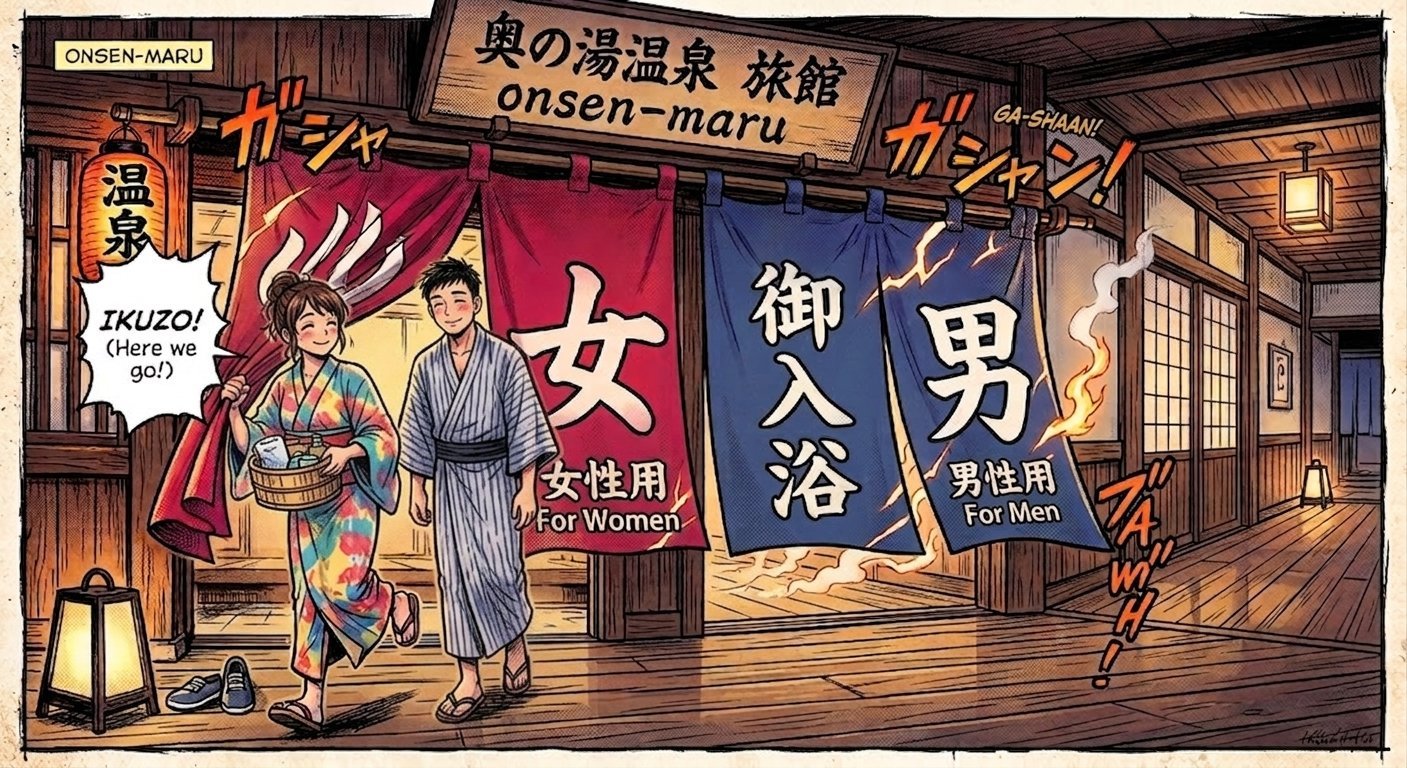
An onsen ryokan is one of the most memorable types of accommodation you can book in Japan, but it is also one of the easiest to misunderstand.
If you are used to regular hotels, a ryokan may feel different in small but important ways. Meal times may be fixed. Breakfast may finish early. Your room may be Japanese-style. Baths may be shared. You may sleep on futon instead of a western bed. And in some places, you may get only one room key even if two people are staying together.
None of these things are necessarily bad. In fact, they are part of why a ryokan stay can feel special. But it helps to understand the rhythm before you arrive.
This guide explains what an onsen ryokan is, what to expect, and how to decide whether this type of stay is right for your Japan trip.
What Is a Ryokan?
A ryokan is a traditional Japanese inn. Ryokan vary a lot: some are simple countryside inns, while others are high-end luxury stays with private baths and elaborate meals.
In general, a ryokan is less about just having a place to sleep and more about the full stay experience. The room, bath, meals, service, and quiet atmosphere all matter.
A typical ryokan may include:
- Japanese-style rooms with tatami flooring
- Futon bedding or low beds
- Yukata or indoor clothing to wear during the stay
- Dinner and breakfast included in the plan
- Shared or private baths
- Fixed meal times
- A slower, more traditional atmosphere than a hotel
Not every ryokan has all of these features, so always check the room plan carefully.
What Makes It an Onsen Ryokan?
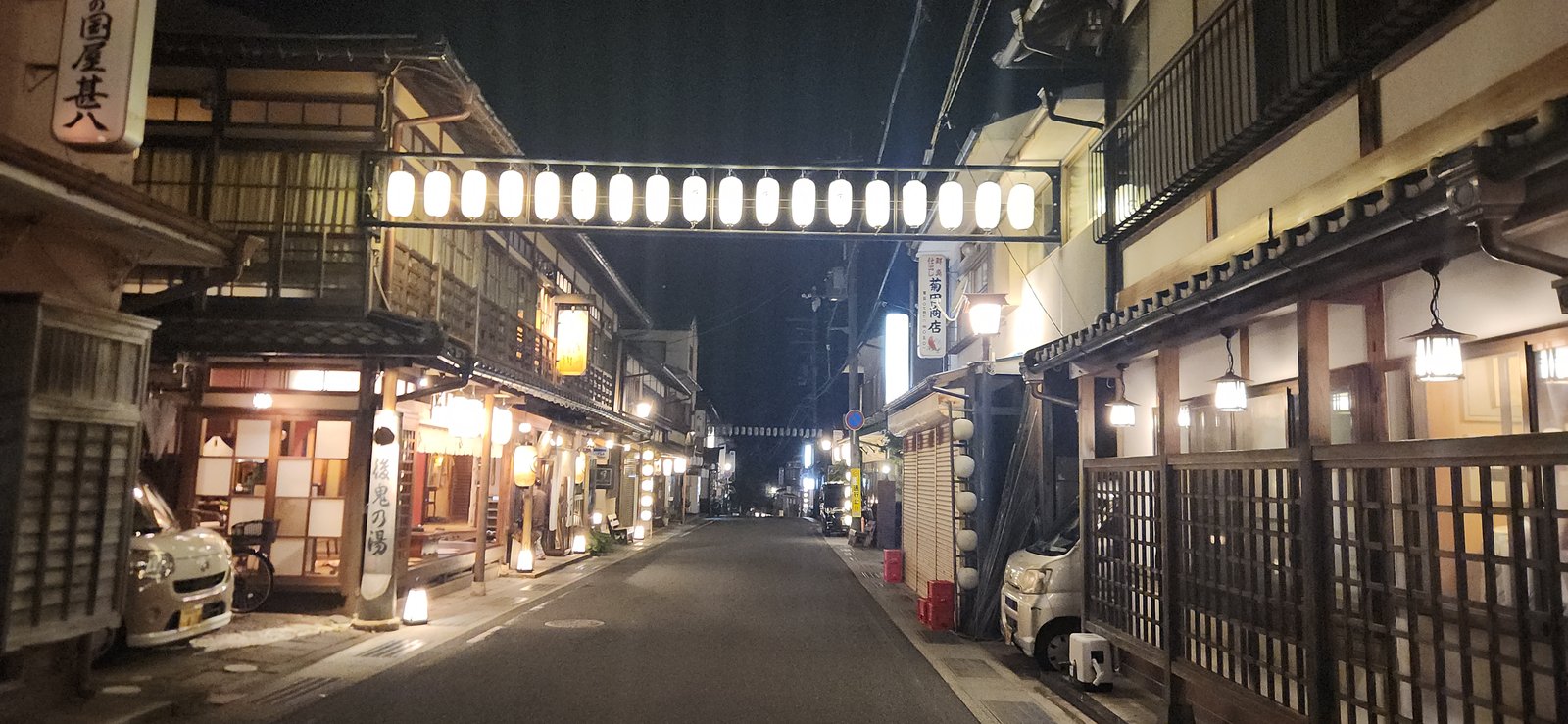
An onsen ryokan is a ryokan with hot spring baths.
In Japan, “onsen” refers to natural hot spring water that meets certain mineral or temperature conditions. Some springs are naturally hot, while some cold mineral springs are heated for bathing. At an onsen ryokan, guests usually stay overnight, eat dinner and breakfast, and use the baths during their stay.
Some onsen ryokan have large public baths. Others have small shared baths. Some offer private baths that can be reserved, while higher-end rooms may have an open-air bath attached to the room.
The important thing is to check what kind of bath setup the ryokan actually has. “Onsen ryokan” does not automatically mean you will have a private bath.
How Is a Ryokan Different from a Hotel?
The biggest difference is that a ryokan usually runs on a set rhythm.
At a regular hotel, you might check in, leave your bags, go out for dinner, and come back whenever you want. At a ryokan, the stay itself is often the main event. You arrive, change into comfortable clothing, use the bath, eat dinner, relax, sleep, eat breakfast, and check out.
This is why arrival time matters. If dinner is included, arriving late can make the whole stay feel rushed. I usually try to arrive at a ryokan earlier than I would at a normal hotel, especially if I want to use the onsen before dinner.
What Are Ryokan Rooms Like?
Many ryokan rooms are Japanese-style, with tatami mats, low tables, floor seating, and futon bedding. Some newer or renovated ryokan also offer western beds or hybrid Japanese-western rooms.
Common room types include:
- Japanese-style room / washitsu — tatami room, low table, floor seating, and futon bedding set on the floor.
- Japanese-Western room — a room with Japanese-style elements, often tatami or a sitting area, plus western beds.
- Western-style room — more like a hotel room, sometimes available at larger or renovated ryokan.
- Room with open-air bath — a higher-priced room with a private bath attached, sometimes using onsen water depending on the property.
If you book a tatami-only room, staff may set up the futon for you in the evening, often while you are at dinner. At some simpler places, the futon may already be laid out or you may set it up yourself.
The room may or may not have a private bathroom. Some rooms have a toilet only. Some have a full bath. Some use shared toilets and shared bathing areas.
This is one reason it is important to read the room details carefully before booking. Do not assume that every room has the same facilities.
The Room Key Detail Travellers May Not Expect
One small thing that can surprise travellers is the room key.
Some ryokan provide only one room key even when two people are staying in the same room. This is not always a problem, but it can become awkward if both people go to the onsen separately and return at different times.
What we usually do is simple: before going to the bath, we discuss who is likely to come back first and that person takes the key. If we are not sure, we usually leave the key at the front desk so neither person gets locked out.
It is a small detail, but it makes the stay smoother.
What Are Meals Like at a Ryokan?
Many ryokan stays include dinner and breakfast. In fact, the meals are often one of the main reasons people book a ryokan. Plans vary, so always check whether your booking is room-only, breakfast-included, or dinner-and-breakfast included, and what style of meal is actually served.
Dinner is often a kaiseki-style or multi-course meal, with multiple small courses served in a careful sequence. Breakfast is usually a Japanese set meal, though some ryokan offer buffets or semi-buffet setups.
Meals may be served in your room, a private dining room, or a shared dining hall. Each style changes the feeling of the stay.
If you have dietary restrictions, check before booking. Ryokan meals are often prepared in advance and may not be flexible on the day of arrival. For more detail, see my guide on whether to book dinner and breakfast at a ryokan.
What Are Shared Onsen Baths Like?
Many onsen ryokan have shared baths separated by gender. You undress in the changing room, wash your body before entering the bath, then soak quietly.
For first-time visitors, this can feel intimidating. But once you understand the steps, it is usually calm and straightforward.
The main rules are:
- Wash before entering the bath
- Do not put your towel in the bath water
- Keep phones and cameras out of the bath area
- Keep your voice low
- Do not swim or splash
Exact facilities and rules vary by ryokan, so it is worth checking the bath information and any posted notices when you arrive.
If shared baths make you uncomfortable, look for ryokan with private baths or rooms with private onsen.
When Should You Arrive at a Ryokan?
Earlier is usually better.
For a dinner-included ryokan stay, I like arriving with enough time to check in, settle down, use the onsen, and relax before dinner. If you arrive close to dinner time, the stay can feel rushed.
This matters even more in rural areas where restaurants may be limited and transportation options may be less frequent.
Are Ryokan Good for First-Time Japan Travellers?
Yes, but choose carefully.
A ryokan can be one of the best experiences of a Japan trip, especially if you enjoy food, quiet time, bathing culture, and traditional accommodation. But it may not be the best fit for every night of your trip.
For first-time travellers, I would usually suggest booking one or two ryokan nights rather than making every stay a ryokan stay. That gives you the experience without making the whole trip too structured.
Best For
An onsen ryokan is best for travellers who:
- Want a slower and more traditional stay
- Enjoy Japanese food
- Want to experience onsen bathing
- Are comfortable with fixed meal times
- Value atmosphere over hotel convenience
- Are willing to learn basic etiquette
Skip If
You may want to skip or choose carefully if:
- You need full hotel flexibility
- You dislike fixed meal times
- You are uncomfortable with shared baths and there is no private bath
- You need a western bed or private bathroom
- You have dietary restrictions that the ryokan cannot accommodate
- You are a night owl and strongly prefer late hotel-style breakfasts
Final Thoughts
An onsen ryokan is not just a place to sleep. It is a stay with its own rhythm.
That rhythm can be wonderful if you know what to expect: arrive early, enjoy the bath, eat dinner, slow down, and let the stay itself become part of the trip. But it can also feel confusing if you book it expecting a normal hotel.
For independent travellers in Japan, the key is not to choose the fanciest ryokan. It is to choose the right ryokan for your comfort level, route, budget, and travel style.
FAQ
Is an onsen ryokan the same as a hotel?
No. A ryokan is a traditional Japanese inn, and an onsen ryokan includes hot spring baths. It usually has a more structured stay experience than a normal hotel, often with fixed meal times and shared baths.
Do all onsen ryokan have private baths?
No. Many have shared gender-separated baths. Some offer private reservable baths or rooms with private onsen, but you need to check before booking.
Do ryokan include dinner and breakfast?
Many ryokan plans include dinner and breakfast, but not all. Always check whether your booking is room-only, breakfast-included, or dinner-and-breakfast included.
Should I arrive early at a ryokan?
Yes, especially if dinner is included. Arriving earlier gives you time to check in, use the onsen, and relax before the meal.