Quick Answer
You do not need a rental car for every Tohoku or Tochigi trip. If your plan is mainly major cities like Utsunomiya or Sendai, central Matsushima, and a few train-friendly sights, the train may be easier.
That was true for the start of our own trip. We stayed in Utsunomiya without a car and only rented one when we left the city to continue toward rural Tochigi, Fukushima, and Miyagi.
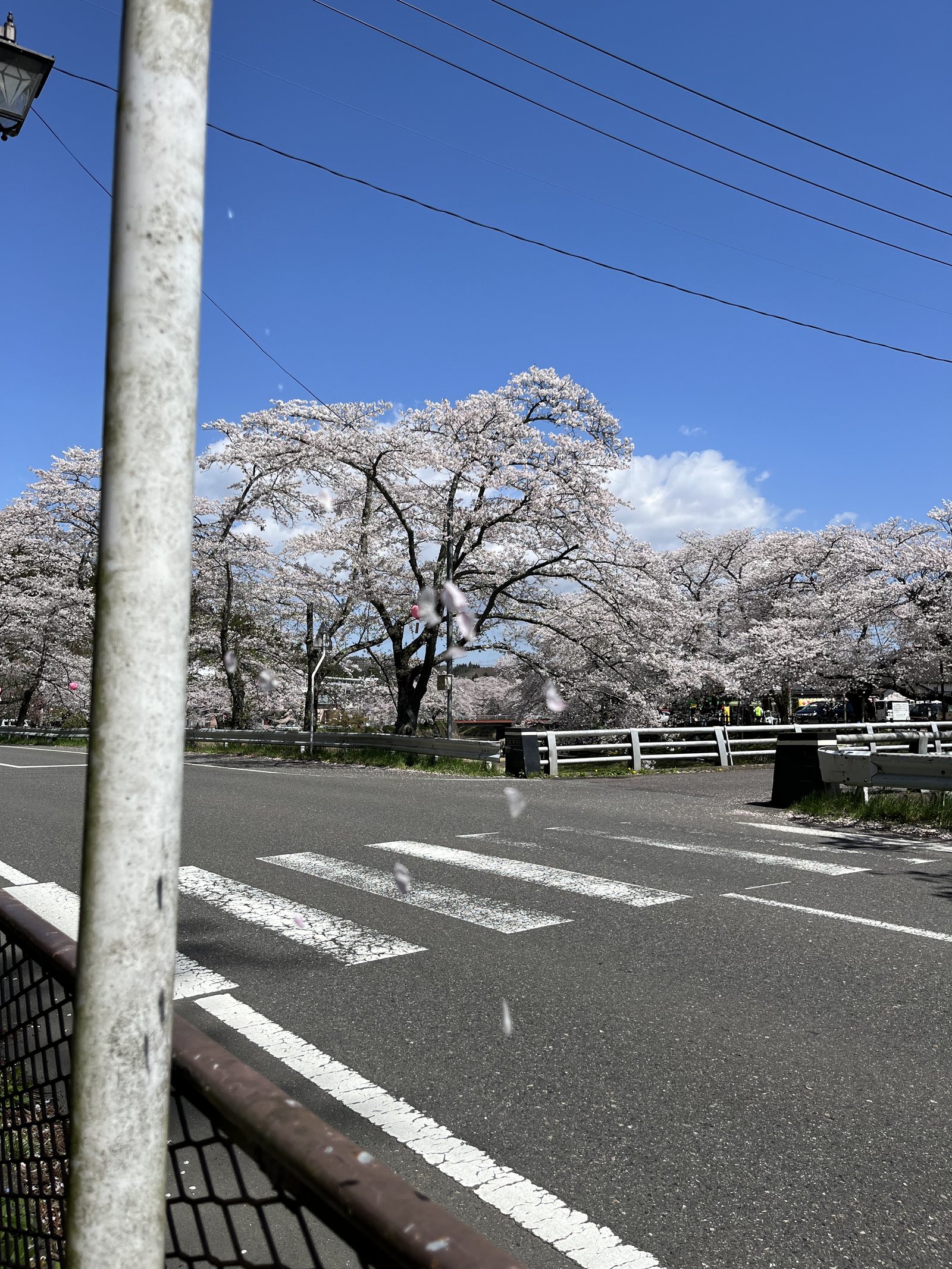
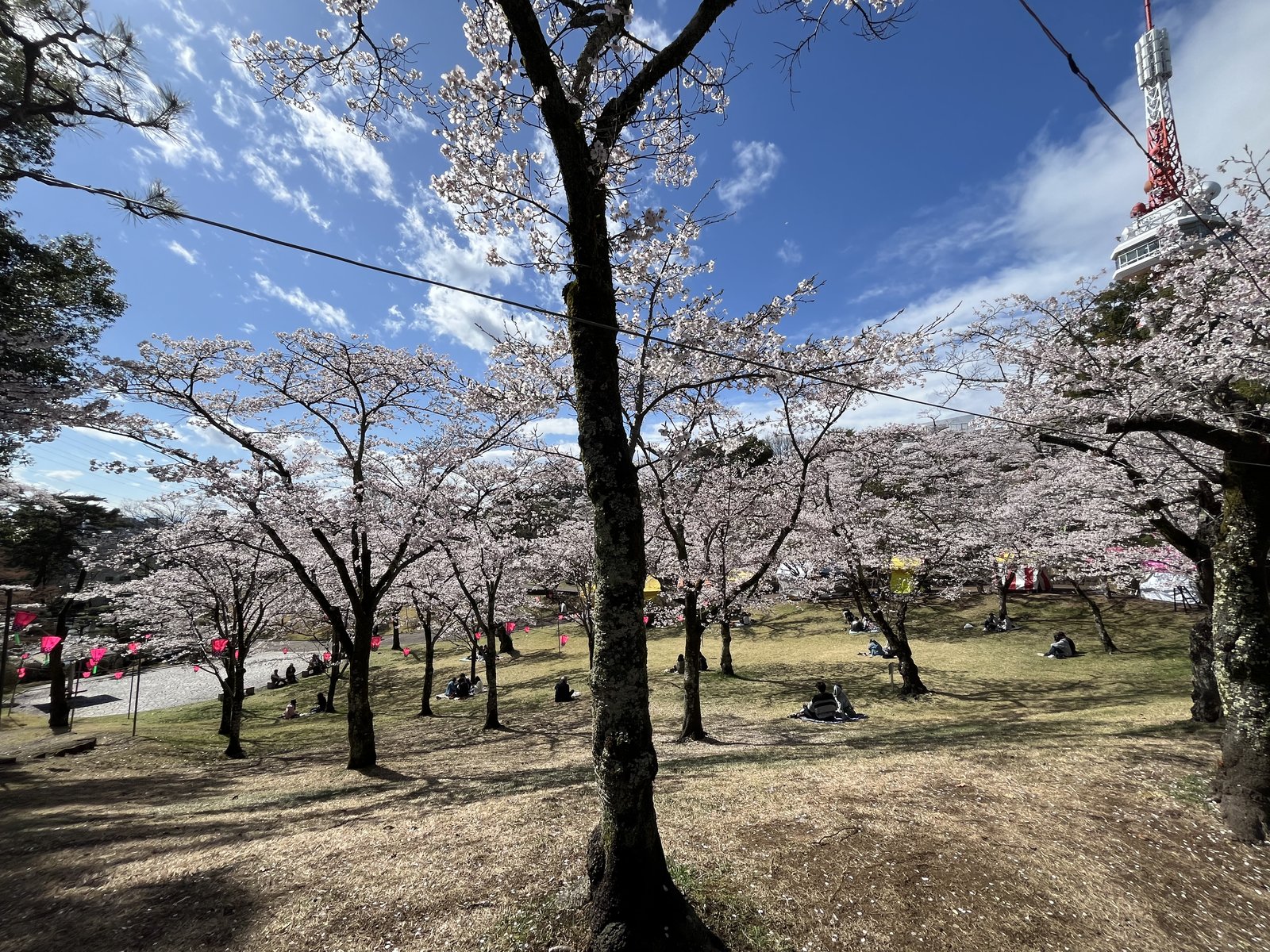
But if you want to go beyond the major cities and train-friendly spots, I would strongly recommend renting a car. On our route, places like Nasu Highland, Nekonaki Onsen, Oku-Matsushima, rural viewpoints, farms, shrines, countryside ryokan stays, and seasonal sakura areas were much easier with a car.
Those are examples from our trip, not a complete list of every place that needs a car. The bigger point is that once your itinerary moves outside major cities and simple station-to-station sightseeing, a rental car can completely change what is realistic.
On our April route through Tochigi, Fukushima, and Miyagi, the car was useful almost every day after we left Utsunomiya. It did not just save time. It changed the kind of trip we could take.
Without a car, we probably would have stayed in major cities, visited places like central Matsushima by train, and skipped many of the rural stops that made the trip memorable.
Our Route: Why We Rented a Car
We did not rent a car for the entire trip. We first stayed in Utsunomiya without one, because Utsunomiya is a major city and works well enough as a train-based stop.
We rented a compact car from Nippon Rent-A-Car when we left Utsunomiya and used it as our main way to travel through rural Tochigi, Fukushima, and Miyagi.
The price we saw when booking was the price we paid. The usual things that add to the bill are returning the car late, or returning it to a different branch from where you picked it up. That second one is often called a one-way or drop-off fee, so check it when booking if your trip does not start and end in the same city.
The route covered around 900 km by rental car, with several long-distance driving days. Some of the bigger driving days included Nasu to Hanamiyama and Matsushima, Matsushima to Sendai and Miharu, and Matsushima to Funaoka and Shibata.
For two people, a compact car was enough for luggage. We used Google Maps for navigation and did not have major issues with gas stations, payment, or returning the car.
We did not use an ETC card. The expressway tolls felt a bit expensive, but because the route covered long distances, they also saved a lot of time.
This article is based on our actual route, not a general theory about whether driving in Japan is better than trains. For us, the car became valuable after the trip moved away from major city stops and into more rural areas.
When You Do Not Need a Rental Car
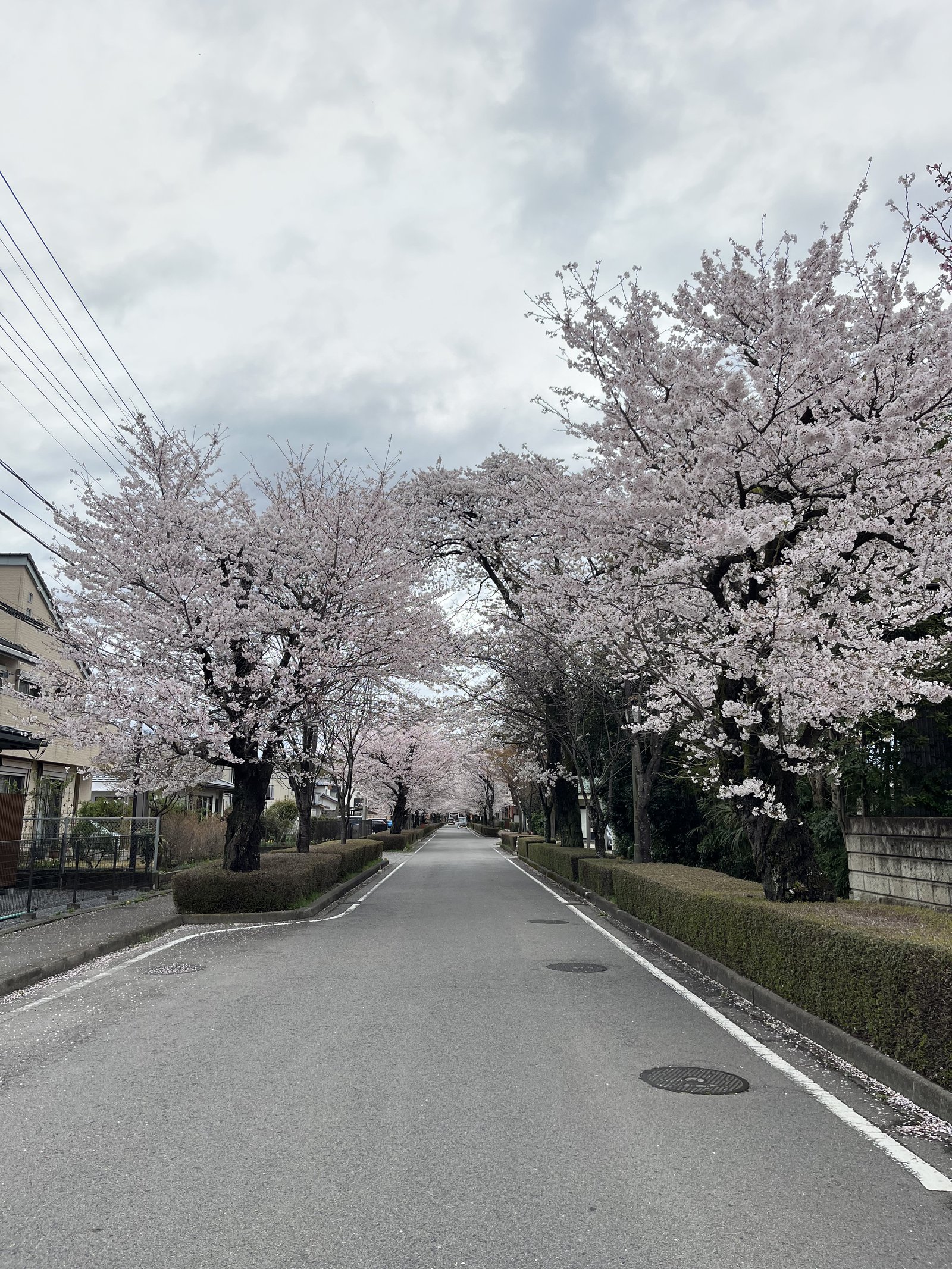
If your trip is focused on major cities and places close to train stations, I would probably skip the car.
Utsunomiya is a good example. We stayed there without a rental car, and that made sense because it is a city stop with train access, restaurants, hotels, and enough urban convenience. For that kind of stay, a rental car can add cost and parking hassle without adding much value.
Sendai is similar. It is easy to use as a public transport base, and the train is usually the simpler option for moving between Sendai and central Matsushima. For a simple city-and-bay itinerary, driving does not add much.
This was the one part of our car-based route where the car felt less useful. Driving from Matsushima to central Sendai only saved a little time, and parking in Sendai was more stressful than driving on rural roads. Many parking lots were full when we arrived around lunch hour.
A no-car version of this trip could still work if you based yourself in major cities and focused on places that are easier by train, such as:
- Utsunomiya
- Sendai city
- Central Matsushima and the main pier area
- Shiroishigawa Hitome Senbonzakura by train during cherry blossom season
- Fukushima city
- Hanamiyama Park if the seasonal access works for your dates
Hanamiyama is one example where public transport can work well in season, especially when seasonal shuttle buses or local access options are operating.
When a Rental Car Makes a Big Difference
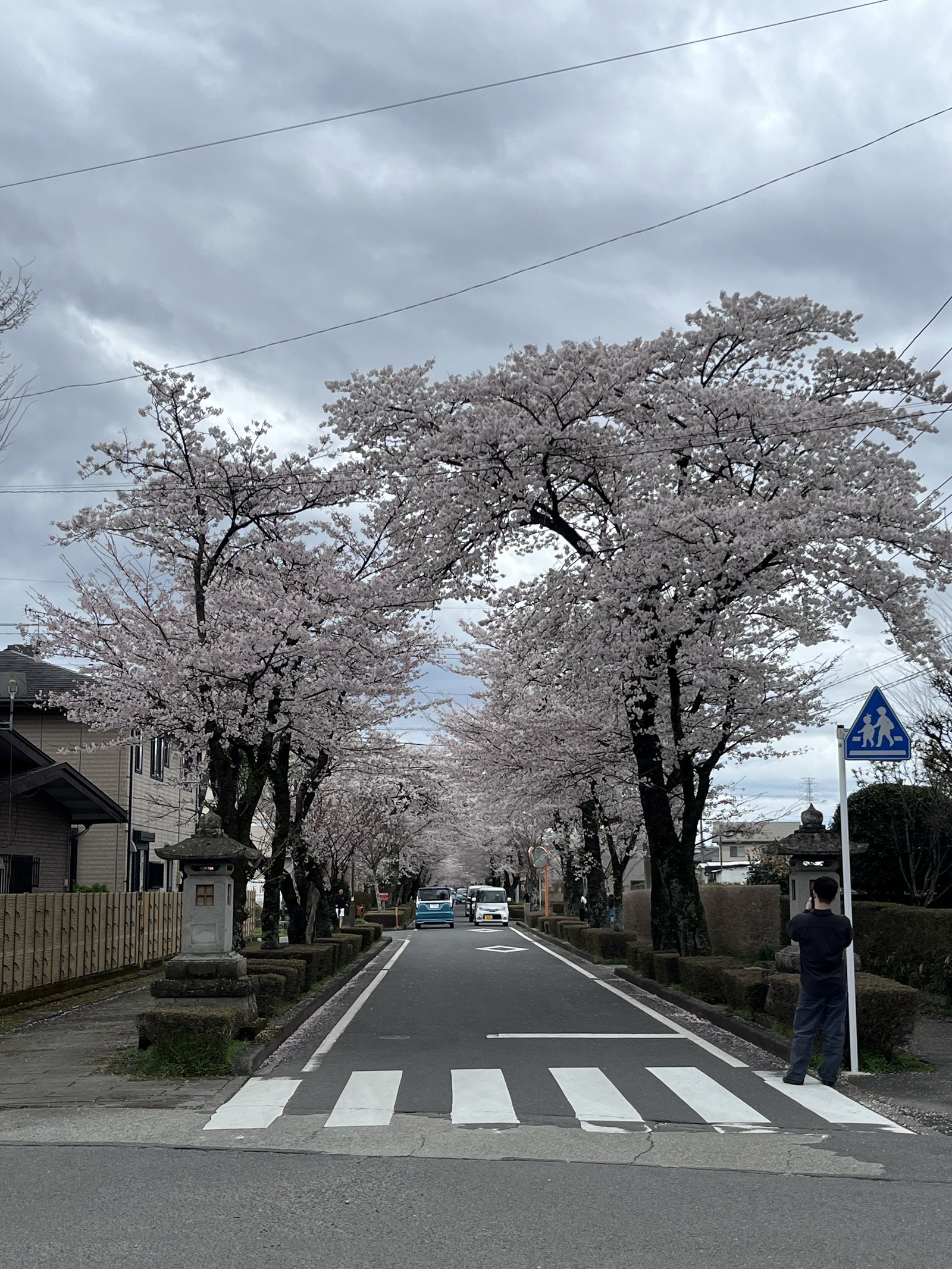
A rental car makes the biggest difference when your trip moves away from major train stations and into places that are spread out, rural, or awkward to combine by public transport.
On our route, the clearest examples were Nasu Highland, Nekonaki Onsen, and Oku-Matsushima.
These are not the only places in Tohoku or Tochigi where a car helps. They are just the examples from our own trip where the difference was easiest to feel.
In these areas, the car was not only about saving ten minutes. It made the route feel realistic.
Nasu Highland
Nasu Highland was one of the clearest examples. The area is spread out, and while some attractions may have bus access, it is not the same as moving around freely by car.
With a car, Nasu felt quiet and manageable. Most roads had normal width, with one lane each way, and they were not especially winding. The only narrow road we encountered was the small access road between our accommodation and the main road.
Without a car, we probably would have cut down the Nasu portion significantly.
Nekonaki Onsen
Nekonaki Onsen was another place where the car changed the trip.
It may be technically reachable by public transport, but for our actual route, with luggage and multiple sightseeing stops before and after the stay, using local trains and buses would have been much less convenient.
The drive itself was straightforward. In spring, it was also scenic because of the cherry blossoms. This is a good example of where the car did not just make the route easier — it made the journey itself part of the trip.
Oku-Matsushima
Central Matsushima is easy enough without a car, but Oku-Matsushima is different.
Oku-Matsushima is more spread out, and many of the places that make it rewarding are not right beside the main Matsushima pier area.
That does not mean Oku-Matsushima is impossible without a car, but it becomes a more planned, less flexible day.
With a car, it was much easier to connect rural viewpoints, quieter coastal areas, and less central stops.
The Car Also Changed Where We Could Stay
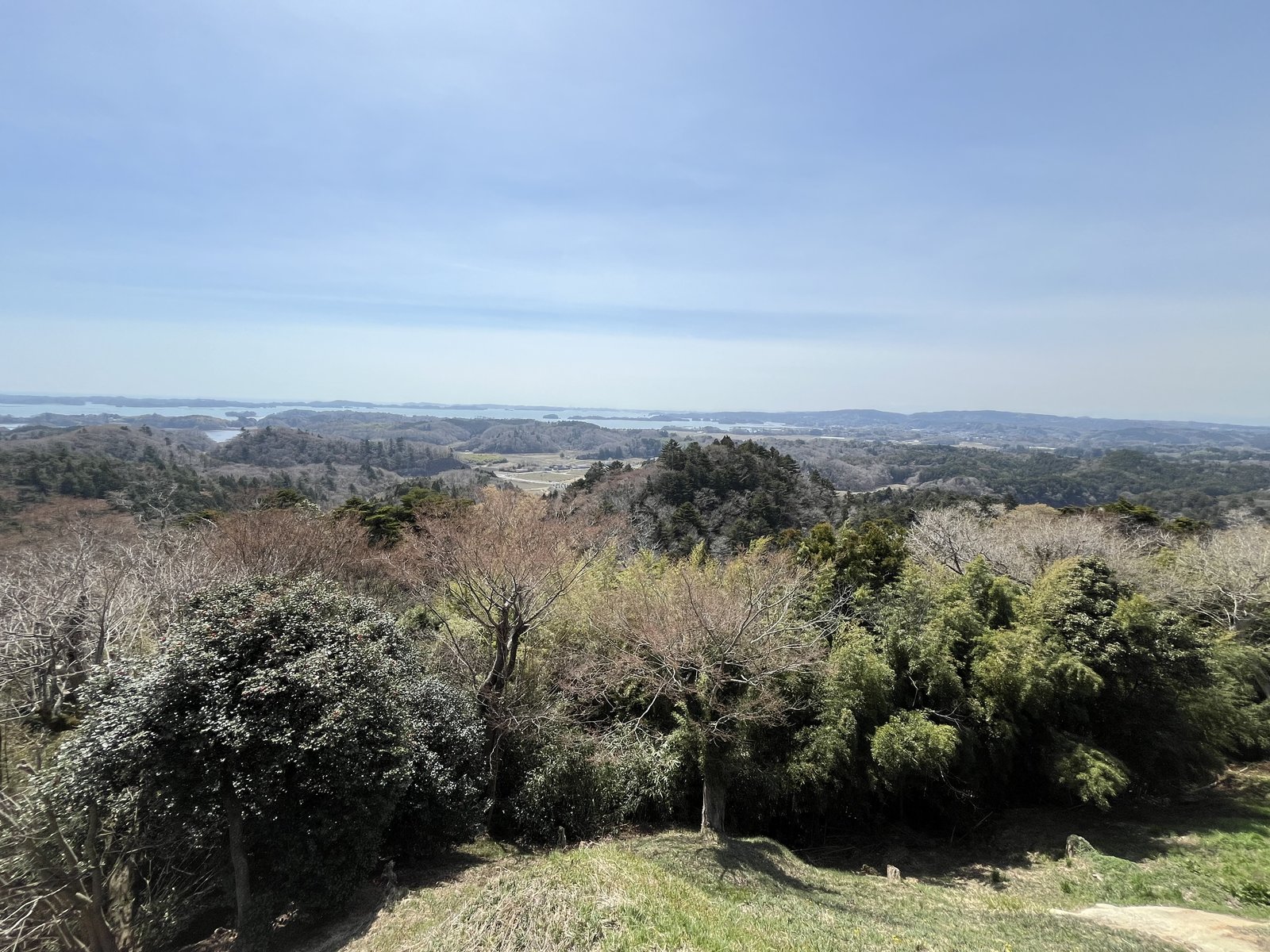
One of the biggest benefits of renting a car was accommodation flexibility.
Without a car, we probably would have stayed in major cities for convenience. That would have made public transport easier, but it would also have changed the feel of the trip.
For example, we stayed at Hotel Matsushima Taikanso. Without the car, we likely would have chosen a smaller hotel room in Sendai instead. Staying outside the city gave the trip a different atmosphere and made Matsushima feel like a base, not just a day trip.
This is one of the underrated benefits of renting a car in rural Japan: it opens up accommodation options that are technically reachable by public transport, but not as convenient when you are carrying luggage or moving between several places.
What Driving Was Actually Like
Overall, driving in Tochigi, Fukushima, and Miyagi was easier than I expected.
Most of the trip used expressways, regular rural roads, or quiet two-lane roads. The traffic felt orderly, and outside the cities, the driving was not stressful.
The most challenging road was the final stretch to Tomiyama and Daigyoji. That road became very narrow and only fit one car, but it lasted a minute or two. There was hardly any traffic, and there were enough pullouts for passing if another car came the other way. We did not meet an oncoming car there, but nervous drivers should know that this is not the same as driving on a normal city road or expressway.
The most stressful part of the whole route was not rural driving. It was parking in central Sendai.
Parking: Where the Car Became Less Convenient
Parking matters a lot when deciding whether to rent a car.
In rural areas, parking was generally manageable. But in central Sendai, many lots were full when we arrived around lunch hour, and that made the car feel less useful.
This is why I would separate city travel from rural travel. A car was very helpful after we left Utsunomiya and started moving through rural areas, but I would not rent one just for a city stay in Utsunomiya or Sendai.
Shiroishigawa Hitome Senbonzakura was busier near the parking areas, but honestly, it was not too bad during our visit. Still, because it is a famous sakura spot, I would expect more congestion during peak bloom and would avoid arriving too late in the day.
For a sakura-focused trip, the car is helpful, but famous cherry blossom spots are exactly where parking can become part of the planning.
What a No-Car Version Would Lose
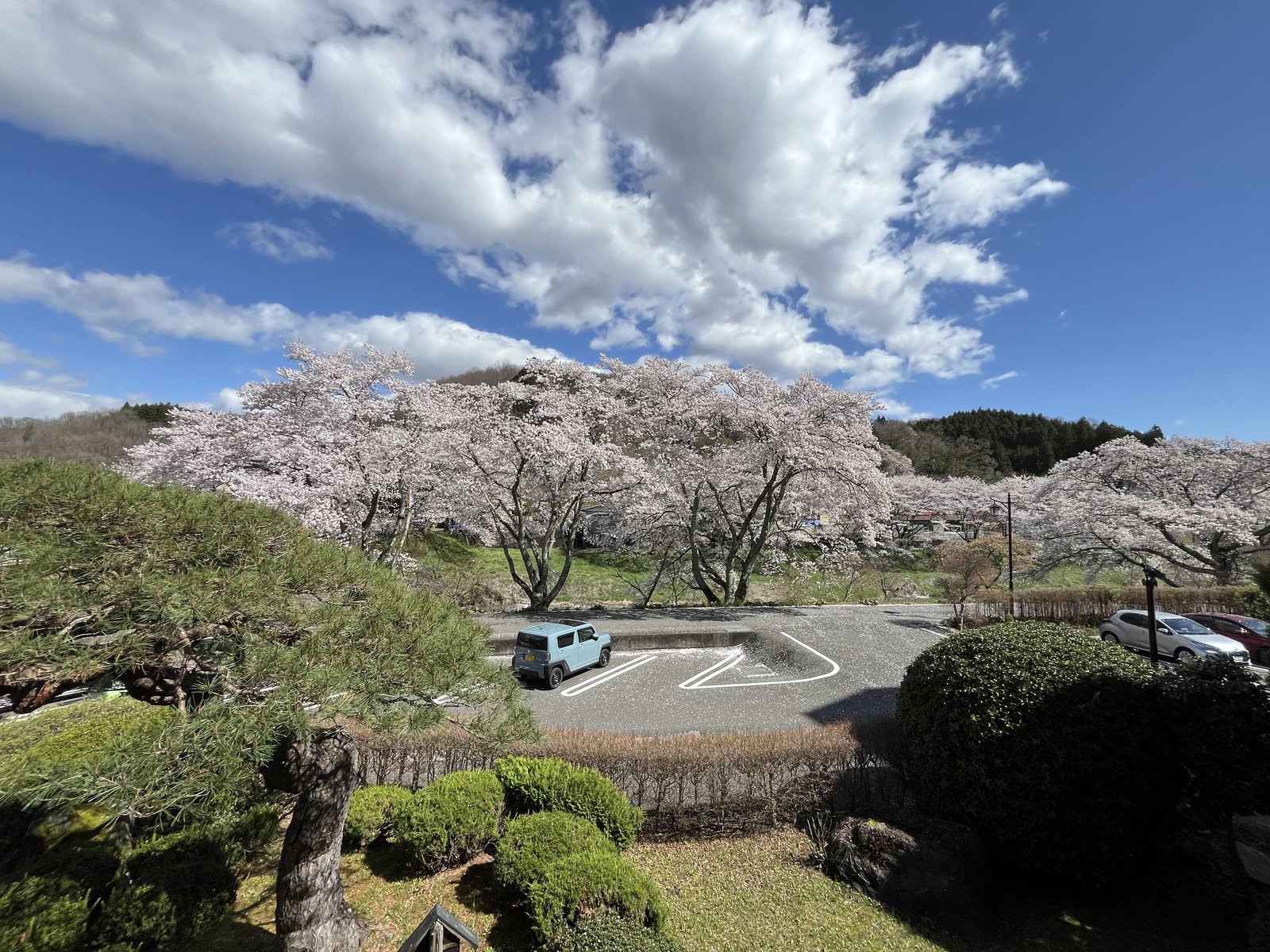
A no-car version of this trip would still be possible, but it would be a different trip.
I would build it around major city bases and train-friendly day trips. For example, I would focus on places like:
- Utsunomiya
- Sendai city
- Central Matsushima
- Shiroishigawa Hitome Senbonzakura / Funaoka
- Fukushima city
- Hanamiyama Park during the right season
But I would remove most of the rural stops from our actual route.
That does not mean every rural destination in Tohoku or Tochigi is impossible without a car. Some have buses, taxis, seasonal shuttles, or other access options. But for a multi-stop trip with luggage, changing accommodation, and several countryside stops, the no-car version becomes much more limited.
Without a car, the trip would lose:
- Flexibility
- Rural viewpoints
- Easier luggage handling
- Accommodation options outside major cities
- The ability to combine several small stops in one day
- The freedom to adjust around sakura timing and weather
That last point matters a lot for spring travel. Cherry blossom timing is unpredictable, and a car makes it easier to change plans quickly.
Who Should Rent a Car for Tohoku and Tochigi?
Rent a car if you want to see a different side of Japan.
I would especially recommend it if:
- You want to visit rural areas, not just major cities
- You are interested in places like Nasu Highland, Oku-Matsushima, countryside Fukushima, onsen stays, farms, shrines, or viewpoints
- You are travelling with luggage
- You want more accommodation choices
- You are comfortable driving two to three hours on some days
- You already have solid driving experience in your own country
This route can work for someone driving in Japan for the first time, but I would not recommend it for someone who is nervous behind the wheel in general. The roads were mostly manageable, but some driving days were long.
Also, make sure you check the licence rules before planning around a rental car. Many foreign visitors need a valid International Driving Permit to drive in Japan, and the permit rules depend on where your licence was issued.
Who Should Skip the Rental Car?
Skip the rental car if your trip is mainly city-based.
You probably do not need one if:
- You are staying in major cities like Utsunomiya, Fukushima, or Sendai
- You are only doing train-friendly day trips, such as central Matsushima
- You dislike driving in unfamiliar places
- You want to avoid tolls, parking fees, fuel costs, and rental paperwork
- You are travelling solo and trying to keep costs low
- You do not want to deal with parking in cities
- You are not comfortable with occasional narrow rural access roads
For Sendai itself, I would avoid driving into the central area next time. The train is easier, and you do not have to think about parking.
What I Would Do Differently Next Time
I would still rent a car for this kind of Tohoku and Tochigi route.
But I would keep the same basic approach: no car for a major city stay like Utsunomiya, then rent a car when the route starts moving into rural areas.
Next time, I would also avoid driving into central Sendai unless there was a specific reason. The car was extremely useful for rural travel, but Sendai was the one place where it felt like more hassle than benefit.
I would also plan parking more carefully around famous cherry blossom spots. Even when parking was not terrible, these are the places where timing matters.
I did not use an ETC card on this trip. It was still fine, but for a longer expressway-heavy route, I would consider whether using one would make toll gates smoother.
Final Recommendation
For a simple Utsunomiya city stay, Sendai stay, or central Matsushima trip, you do not need a rental car.
But for the kind of trip we took after leaving Utsunomiya — rural Tochigi, Fukushima, Miyagi, viewpoints, onsen stays, sakura spots, and places outside the main train corridor — I would absolutely rent a car again.
The car opened up a lot of options. It allowed us to stay outside big cities, carry luggage easily, visit more places in one day, and see a quieter side of Japan that would have been difficult to reach by public transport.
So my honest recommendation is this:
If you are only visiting the main cities, take the train.
If you want to explore beyond them, rent the car.
FAQ
Do you need a rental car for Utsunomiya?
No, not if you are mainly staying in Utsunomiya itself. We stayed in Utsunomiya without a car and only rented one when we left the city to continue toward more rural parts of Tochigi, Fukushima, and Miyagi.
Do you need a rental car for Sendai?
No. For central Sendai, a rental car is usually more hassle than help. Parking can be stressful, and public transport is easier for most city sightseeing.
Do you need a rental car for Matsushima?
Not for central Matsushima. The main pier area, temples, and bay cruise area are doable by train. A car becomes more useful if you want to explore Oku-Matsushima or combine Matsushima with rural stops.
Is Tohoku easy to drive in?
Based on this route, rural driving in Tochigi, Fukushima, and Miyagi was mostly manageable. The hardest parts were city parking and a few narrow final access roads, not the main rural roads.
Is a rental car worth it for cherry blossom season in Tohoku?
It can be very worth it because cherry blossom timing changes quickly, and a car gives you more flexibility. But famous sakura spots can have busy parking, so you still need to plan your arrival time.